
Category

Home

Category

Infrastructure projects are very important in developing the real estate’s markets with respect to residential plots. Some of such projects like expressways, metro corridors, flyovers, industrial hubs, and airports tend to be potent drivers of growth in the surroundings. Plot buyers can use information on the effect of infrastructure and the timing to make informed and future-sensitive investment decisions. It is common knowledge that infrastructure-led growth is among the most dependable metrics of long-term growth, a fact that is frequently emphasized in real estate knowledge platforms, such as Neevilas.

Market sentiment tends to react instantly when a new project in the infrastructure is announced. As soon as the construction process is planned, the prices in the surrounding areas of the land start to show future perspectives. As Neevilas says, it is at this early stage when informed customers are able to locate the best deals since the prices are still relatively lower than at the after-completion phases.

The Reason behind Plot Price Appreciation

Infrastructure can be used to increase accessibility, decrease the travelling time and increase connectivity between places of residence and places of employment. The demand is automatically boosted when an area is made more accessible. Such a trend is favorable to residential plots, especially since prospective buyers are looking at future development, chance of self-construction and improvement of lifestyle.

Planned urban expansion is a second important factor. The infrastructure activities supported by the government usually come with greater civil facilities like water supply, drainage, schools, hospitals, and commercial areas. On the basis of these insights by Neevilas, regions that are in line with the long-term planning systems experience a more stable and sustainable price growth as compared to those that are speculative.

Plot buyers must Act on Time

The effect of infrastructure on the prices of plots is normally in a circle. The announcement stage also increases its price in a relatively small percentage, steady during the construction period, and post-project completion. Late entrants can find the costs of acquiring expensive and minimize returns. It is necessary to do due diligence on timelines of the projects, government notifications and zoning of land-use.

The announcements of infrastructure are important factors that affect the price of the plot as they transform accessibility, demand and future development opportunities. Being informed based on obtainable and valid real estate knowledge like that provided by Neevilas will aid a buyer in making decisions that are not influenced by the infrastructure and recognizes the infrastructure as a driving force in the market.

FAQ’s

  1. Are plot prices directly affected by infrastructure announcement?

Yes, it is true that the prices tend to go up shortly after announcements as a result of the market sentiment although the real growth of the value remains based on the execution and timelines of the project.

  1. Can the plots be purchased on the basis of future plans of the infrastructure?

Before they can trust an undertaking to work, the buyers are advised to be very careful and check on the project approvals, financing position and zoning laws.

  1. What are the most affected infrastructure projects on plot prices?

The largest roadways, subways, airports, and industrial strips are more likely to have the most significant and sustained influence on the value of residential plots.

Introduction

Maintaining a property requires regular effort, but using the right equipment can make the work much easier and faster. For property owners, especially those managing larger spaces, choosing equipment for property maintenance helps save time and reduce physical strain. Efficient equipment not only improves productivity but also ensures that tasks are completed properly and on time.

Basic Tools for Everyday Tasks

Every property owner should have a set of basic tools for daily maintenance. Simple equipment like rakes, shovels, and pruning tools is useful for cleaning, planting, and general upkeep. These tools are easy to use and do not require much maintenance. Even though they are simple, they play an important role in keeping the property clean and well-managed.

Cutting and Trimming Equipment

Controlling grass and unwanted plants is an important part of property maintenance. Equipment such as lawn mowers, trimmers, and brush cutters helps keep the land neat and organised. These tools reduce the time needed for manual work and ensure a more uniform result. Using proper cutting equipment also helps in maintaining the health of plants and grass.

Watering and Irrigation Tools

Watering plants properly is essential for maintaining a healthy property. Tools like hoses, sprinklers, and simple irrigation systems make watering easier and more efficient. These tools help distribute water evenly and prevent wastage. Using proper watering equipment saves time and ensures that plants receive the right amount of water.

Transport and Handling Equipment

Moving materials around the property can take a lot of time and effort without the right tools. Equipment such as wheelbarrows and carts is very useful for transporting soil, plants, and other materials. These tools reduce physical effort and make it easier to work across different areas of the property.

Maintenance and Safety Equipment

Taking care of tools and ensuring safety is just as important as completing tasks. Basic repair tools help maintain equipment and keep it in good working condition. Safety items like gloves and boots protect property owners while working. Proper maintenance and safety practices help avoid accidents and increase the life of equipment.

Choosing the Right Equipment

Selecting the right equipment depends on the size of the property and the type of work required. It is important to choose tools that are easy to use and suitable for specific tasks. Investing in the right equipment helps save time, reduce effort, and avoid unnecessary expenses.

Conclusion

Using the right equipment is essential for efficient property maintenance. From basic tools to cutting, watering, and transport equipment, each plays an important role in saving time and effort. By choosing suitable tools and maintaining them properly, property owners can manage their land more effectively. With the right approach, property maintenance becomes easier, more organised, and less time-consuming.

A home deserves floors that handle daily life without fuss. Spills, moisture, pets, and unexpected messes happen, yet nobody wants to worry about lasting damage. That is why choosing durable and stylish surfaces matters for every household. With different options on the market, the right fit depends on a mix of preferences, function, and budget.

The best waterproof flooring choices provide comfort underfoot and impressive durability, making them a favorite for busy families. By understanding different materials, room needs, and design styles, homeowners can make flooring decisions with confidence. Let’s explore these options in detail.

Think About the Purpose of Each Room

A kitchen, bathroom, and basement do not face the same challenges. Moisture levels vary from space to space, and that difference influences your choice. In a kitchen, a waterproof surface protects against spills and food preparation accidents. A bathroom floor should resist steam and constant exposure to water. Basements need extra attention because concrete bases pull in moisture from the ground. A durable, water-resistant option reduces the chance of warping or odors. 

Explore Different Material Choices

Luxury vinyl, waterproof laminate, porcelain tile, and engineered hardwood each deliver unique benefits. Vinyl offers realistic wood or stone designs and is simple to maintain. Waterproof laminate gives a classic look with added resistance compared to older versions. Porcelain tile provides a hard surface and works well where heat and moisture meet. Engineered hardwood adds natural charm while resisting moisture better than solid hardwood. Each option has pros and cons based on look, feel, and installation needs. 

Consider Your Lifestyle and Daily Routine

Some households experience heavy traffic with kids, pets, and guests coming in throughout the day. Others remain quieter, with lighter use spread across the home. A family with children may choose waterproof vinyl or tile for easy cleanup. Someone who cooks a lot may find waterproof laminate convenient in the kitchen. Allergies and comfort also play a role. For example, a smooth surface works better for people who prefer low-maintenance cleaning. A warmer material can enhance bedrooms or playrooms where comfort underfoot matters more. 

Evaluate Appearance and Design Preferences

Every home has a unique character, and flooring sets the tone. Wood-look vinyl and laminate create a cozy, traditional feel. Tiles can build a clean, polished statement, especially in bathrooms or entries. Neutral shades blend easily with existing furniture, yet bold colors or patterns allow creative freedom. Textures also change the way a space feels. Matte or distressed finishes add character, while smoother surfaces bring out a modern appeal. 

Keep Installation and Maintenance in Mind

Not every material fits your schedule or skill level for installation. Vinyl planks snap together with ease, while tiles demand more preparation and tools. Waterproof laminate requires proper underlayment to perform well. Engineered hardwood can be installed in various ways depending on the subfloor. Maintenance adds another layer to the decision. Some homeowners prefer quick sweeps and light mopping. Others don’t mind deeper cleaning sessions for a polished look. 

Balance Budget with Long-Term Value

Cost plays a huge role in any home update. While some flooring choices appear expensive upfront, they may last longer and save money over the years. Vinyl and laminate give budget-friendly options with a stylish appearance. Tile typically costs more but delivers unmatched durability. Consider long-term value rather than short-term savings. Replacing floors too soon because of damage leads to extra expense and stress. By balancing price, durability, and look, you ensure your investment supports your home and lifestyle in the best way possible.

The right waterproof surface blends style, resilience, and value. The best waterproof flooring helps protect your living spaces while giving them lasting beauty and comfort. By taking room function, material options, lifestyle, design, installation, and budget into account, you can narrow the choices with confidence. Whether you prefer sleek tiles, warm wood looks, or versatile vinyl, each option supports a practical yet stylish home. 


A UV clarifier is an essential part of any filtration system in the pond as it manages to keep the water clean and clear. It utilizes ultraviolet so that the algae, bacteria and other harmful microorganisms are destroyed since they cloud the water and impact the health of fish excellently.

Nonetheless, the provision of a UV clarifier does not stop there; the UV clarifier should be managed on a consistent basis to make sure that it functions efficiently all year round. Unless well maintained, the bulb has a tendency to lose its strength, and the quartz jacket is likely to get covered with runoff, making it less efficient.

Pond Guy cites that having a healthy aquatic environment means that you must take care of your pond UV light and continue to maintain it to have clear water in addition to the other elements of the aquatic environment itself. Ensuring that your pond is beautiful and balanced results in proper maintenance.

Why Maintenance Matters

The performance of UV clarifiers is affected, in the long run, by a couple of problems that are shared:

  • Bulb Degradation: UV bulbs fade away over time, even when it may seem that it is turned on. Most bulbs will not last after approximately 9000 to 12,000 hours of use.
  • Dirty Quartz Sleeves: UV rays cannot reach the water because of accumulation of dirt, algae and limescale in the protective quartz sleeve.
  • Worn O-Rings: O-rings distorted or in brittle condition may also lead to leaks that may destroy the electrical components.
  • Poor Water Clarity: Your UV clarifier can easily enable the infiltration of green water and algae unless it is properly maintained.

Routine Maintenance Checklist

Monthly:

  • Clean the viewing window (if available).
  • Inspect to see algae growth and also make sure that the water is flowing through the unit properly.

Every 6 Months:

  • Drag out and wash the quartz sleeve with white vinegar and get rid of mineral deposits.
  • Perform a visual check on O-rings to see whether or not they are worn out and replace accordingly.

Annually:

  • Change the UV bulb even when it continues to glow.
  • Take the unit apart to clean deeply.
  • Pay attention to the possible O-rings replacement.

Cleaning Steps

  • Unplug the Unit: It is always best to disconnect before doing any maintenance.
  • Disassemble Carefully: Take out the quartz sleeve and bulb with clean gloves or fabric.
  • Soak and Rinse: Wipe out the wad of clapper in warm vinegar water.
  • Inspect Components: Inspect peelings or stains on the sleeve and bulb ends.
  • Reassemble and Test: Before restarting, ensure all seals are in place and all are dry.

When to Seek Professional Help

A combination of recurring green water, electrical problems, or hazy water despite frequent maintenance is a sign to consult a professional. That Pond Guy does an inspection, replacement parts and full-service upkeep.

Final Tip

To remember to change the bulbs and clean them, maintain a log. UV clarifier monitoring is so easy to do but can take a long way in ensuring a healthy crystal-clear pond and pond all year round.

Okay, let’s have a heart-to-heart about your kitchen.

You’ve probably picked your tile. Maybe even the cabinet color (brave move if it’s navy—I’m into it). But have you thought about your cooktop?

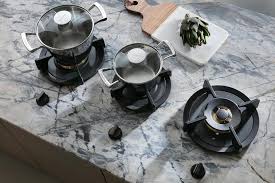
I’m not talking about some clunky, built-in thing with plastic knobs from the ‘90s. I’m talking about the show-stopping, counter-integrated, totally minimalist beauty that is the PITT cooking countertop.

Once you see it, you won’t unsee it. And yes, it’s even possible in a budget-friendly remodeling plan if you’re strategic. Let me show you why I’m in love—and why this just might be your kitchen’s secret weapon.

So What Is a PITT Cooking Countertop?

It’s a system where gas burners are directly built into your countertop. No separate stovetop. No extra frame. Just sleek, black burners emerging from stone, quartz, or concrete.

Think: the elegance of a high-end commercial kitchen, without the stainless steel overload.

The result? A cooktop that feels like it’s part of your kitchen—not sitting awkwardly on top of it.

Why I Love It (And You Might Too)

✔ Clean Lines. Like, Seriously Clean.

PITT gives off that European design energy—nothing feels bulky or over-designed. Everything is low-profile, balanced, and beautifully spaced.

Perfect for open-concept homes where your kitchen is part of the main show.

✔ Custom Placement = Custom Flow

Since the burners are installed separately, you can space them exactly how you want. No more bumping pans, playing burner Tetris, or wishing you had just one more inch.

Cooking gets intuitive—because the layout actually works with you.

✔ Counter Space Maximized

When you’re not using the burners, the surface still looks open and minimal. That means:

  • More prep space
  • More visual flow
  • Less of that “kitchen appliance jungle” vibe

And yes, it’s so much easier to clean.

But Emily, Is It Crazy Expensive?

Great question. And no—not necessarily.

Like any luxury feature, PITT cooking systems have a cost—but here’s the twist: If you’re already upgrading your counters during a budget-friendly remodeling project, integrating PITT doesn’t mean adding a whole separate appliance.

You’re simply rethinking your existing surface. With the right contractor and countertop fabricator, it’s a design-forward choice that actually simplifies your setup.

It’s a splurge-worthy moment that delivers on both style and substance.

The Real Secret? It Feels Designed Just for You.

Here’s the thing I love most about the PITT cooking countertop: it’s personalized.

You get to decide:

  • Number of burners
  • Layout and spacing
  • Gas output levels
  • Whether you want it front and center or tucked off to the side

It’s your kitchen. Shouldn’t it actually feel like yours?

Final Word from Emily Henderson

Design isn’t just about pretty. It’s about smart. And the PITT cooking system is the smart, seamless kitchen upgrade that blends beauty, function, and flexibility in one stunning package.

If you’re updating your kitchen anyway, or planning a remodel where every detail matters (even on a budget!), this is the moment to think beyond the traditional and lean into something truly custom.

Because when your appliances disappear into your design—instead of fighting it—that’s when the magic happens.

Let’s make your kitchen work like it’s built for you. Because with the right elements, it absolutely can.

Effective sewer repair is crucial for maintaining the functionality and safety of a plumbing system. Over time, sewer lines can deteriorate due to various factors, including age, environmental conditions, and external pressures. Understanding the techniques and best practices for sewer repair can help ensure a long-lasting and efficient resolution to sewer issues. This guide outlines essential methods and recommendations for effective sewer repair.

Understanding Sewer Repair

Sewer repair involves addressing problems within the sewer lines, which are essential for transporting waste and wastewater from homes and businesses to treatment facilities. Common issues include blockages, leaks, and structural damage. Prompt and effective sewer repair is vital to prevent more significant problems such as backups, contamination, and costly damage to property.

Common Sewer Repair Techniques

  1. Pipe Lining
    Pipe lining is a trenchless sewer repair method that involves inserting a liner into the damaged pipe. This liner is coated with a resin that hardens, creating a new, durable interior surface. Pipe lining is less invasive compared to traditional excavation methods and is ideal for repairing minor to moderate damage without the need for extensive digging.
  2. Pipe Bursting
    Pipe bursting is another trenchless technique used for replacing old or damaged sewer pipes. This method involves pulling a new pipe through the old one, which breaks the existing pipe apart as the new pipe moves forward. Pipe bursting is suitable for cases where the existing pipes are severely damaged or require complete replacement.
  3. Traditional Excavation
    Traditional excavation involves digging up the affected area to access and repair the sewer line. While this method is more invasive and disruptive, it is sometimes necessary for severe damage or when trenchless methods are not feasible. Traditional excavation allows for a thorough inspection of the sewer line and comprehensive repairs.
  4. Spot Repair
    Spot repair focuses on repairing specific sections of a damaged sewer line rather than replacing the entire pipe. This technique is useful for addressing localized issues such as small cracks or holes. Spot repairs can be performed using various methods, including pipe lining or applying a repair clamp.

Best Practices for Sewer Repair

  1. Early Detection and Inspection
    Regular inspections and maintenance are essential for early detection of sewer issues. Employing techniques such as video camera inspections can help identify problems before they escalate. Early detection allows for timely intervention and minimizes the risk of more extensive damage.
  2. Choosing the Right Repair Method
    Selecting the appropriate sewer repair method depends on the nature and extent of the damage. Trenchless methods like pipe lining and pipe bursting are generally preferred for their minimal disruption and cost-effectiveness. However, in cases of severe damage or where trenchless methods are not suitable, traditional excavation and spot repair may be necessary.
  3. Hiring a Professional
    Sewer repair is a complex task that requires specialized knowledge and skills. It is crucial to hire a qualified and experienced professional for sewer repair projects. A reputable plumber or sewer repair specialist can assess the situation accurately, recommend the best repair method, and ensure high-quality workmanship.
  4. Preventive Maintenance
    Implementing preventive measures can reduce the likelihood of future sewer problems. Regular maintenance, such as cleaning sewer lines and addressing potential issues before they escalate, can help extend the lifespan of the sewer system and minimize repair costs.
  5. Compliance with Regulations
    Sewer repair work must comply with local building codes and regulations. Ensure that all repairs are performed according to the relevant standards to avoid legal issues and ensure the safety and functionality of the sewer system.

Conclusion

A comprehensive approach to sewer repair involves understanding the available techniques, best practices, and the importance of timely intervention. By employing methods such as pipe lining, pipe bursting, or traditional excavation, and adhering to best practices like early detection, professional assistance, and preventive maintenance, property owners can effectively manage and resolve sewer issues. Investing in proper sewer repair techniques not only addresses current problems but also helps prevent future complications, ensuring a reliable and efficient sewer system.

By staying informed and proactive, individuals can safeguard their plumbing infrastructure and maintain the functionality and safety of their sewer systems.

Architectural visualization has undergone a revolutionary transformation with the integration of advanced technologies, and 3D pool renderings have emerged as a powerful tool in this paradigm shift. This article explores the profound impact that 3D pool renderings have had on architectural visualization, offering a unique blend of aesthetic enhancement and practical utility.

Enhancing Design Precision

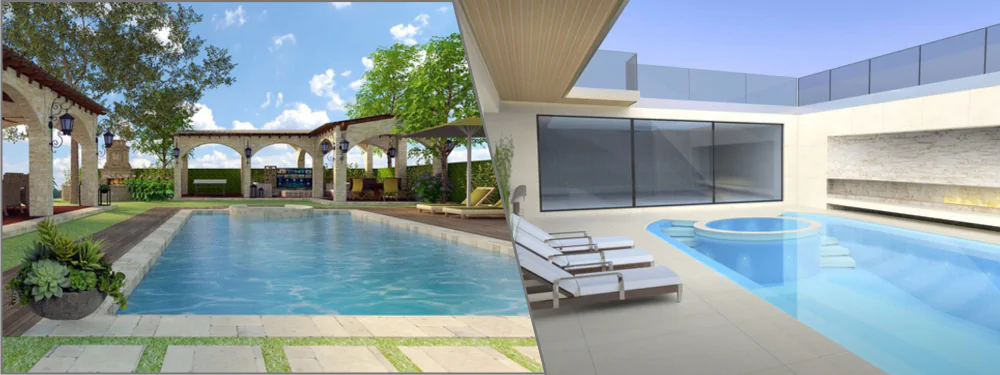
Traditional architectural drawings often struggle to convey the intricate details and nuances of pool designs. 3D pool renderings, however, bridge this gap by providing a lifelike representation of the envisioned space. These renderings offer a level of design precision that is unparalleled, allowing architects and designers to visualize the interplay of light, space, and materials with remarkable accuracy.

Creating Realistic Environments

One of the key strengths of these tools is their ability to create realistic environments. By incorporating details such as lighting effects, reflections, and surface textures, these renderings bring pool designs to life in a way that 2D drawings cannot. This realism not only aids architects in presenting their concepts more effectively but also enables clients to immerse themselves in the envisioned space before it becomes a physical reality.

Streamlining Communication

Effective communication is at the core of successful architectural projects, and 3D pool renderings have become invaluable. These renderings serve as a universal language, allowing architects, clients, and other stakeholders to communicate and understand design concepts seamlessly. The visual clarity provided by 3D renderings encourages constructive discussions, minimizes misunderstandings, and guarantees that all parties involved are on the same page throughout the design process.

Facilitating Informed Decision-Making

Architectural decisions are often complex and multifaceted, involving considerations of aesthetics, functionality, and budget constraints. 3D pool renderings empower decision-makers by offering a comprehensive view of the proposed design. Clients can make informed decisions about design elements, materials, and spatial configurations, leading to a smoother decision-making process and reducing the likelihood of costly modifications later in the project.

Saving Time and Resources

In the domain of architectural visualization, time is a precious commodity. Traditional methods of creating physical models or 2D drawings can be time-consuming and may not effectively convey the designer’s vision. These tools streamline the design process by providing a quicker and more efficient means of visualizing ideas. This not only saves valuable time but also reduces the consumption of resources associated with multiple design iterations.

Fostering Innovation in Design

The dynamic characteristics of 3D pool renderings inspire architects and designers to challenge the limits of conventional design. The ability to experiment with various elements in a virtual environment allows for exploring innovative concepts and avant-garde designs. This cultivation of a culture steeped in creativity and innovation within the architectural community propels the industry forward, advancing both design aesthetics and functionality.


In conclusion, the impact of 3D pool renderings on architectural visualization is transformative. From enhancing design precision to fostering innovation, these renderings have become a vital tool for architects and designers. The future holds exciting possibilities for those who embrace the potential of 3D pool renderings in shaping the landscapes of tomorrow.


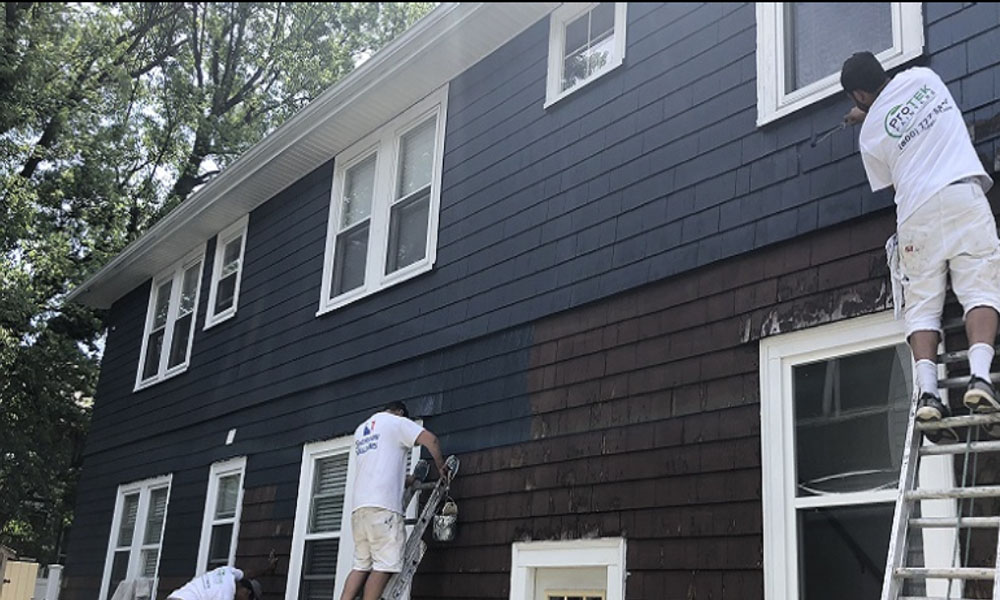
Oklahoma, the heartland of America, boasts a unique blend of diverse landscapes, from rolling plains to scenic lakeshores. For homeowners in the Sooner State, achieving a fresh start often begins with revitalizing their homes. And what better way to do that than with a fresh coat of pain- Whether you reside in the bustling city, the charming town of Tulsa, or any of the state’s picturesque rural areas, these tips for house painting Oklahoma City homeowners will help you breathe new life into your abode while navigating the challenges posed by the state’s distinct climate and surroundings.

Choosing the Right Colors:

One of the most compelling parts of painting your home is selecting the perfect colors. However, this decision should not be taken lightly. The climate can be unique, with hot summers and cold winters. Therefore, choosing paint colors that can withstand the state’s ever-changing weather conditions is essential. Lighter shades can help reflect the sun’s rays during the scorching summers, while warmer tones can add coziness during the chilly winters. Neutral colors, like beige, gray, or taupe, are often safe for homeowners, as they complement the state’s diverse landscapes and can easily match various architectural styles.

Prepping the Surface:

Before diving into the painting process, proper surface preparation is key. The weather can be harsh, so your home’s exterior may have endured wear and tear over time. Start by cleaning the surfaces you plan to paint and removing any dirt, mold, or mildew. If any loose or peeling paint spots, scrape them off and sand the surface for a smooth finish. Additionally, consider applying a primer to ensure better adhesion and longevity for your new paint job.

Choosing the Right Paint:

Selecting the right type of paint is important for a successful painting project. In this city, where the weather can be unpredictable, opting for high-quality, weather-resistant paint is essential. Look for exterior paints to withstand extreme temperature fluctuations, moisture, and UV rays. These paints will ensure your home’s new coat lasts longer and looks fresh for years. Don’t forget to consider the finish, whether matte, satin, or gloss, depending on your aesthetic preferences.

Weather Timing:

Its weather can be quite unpredictable, so timing is crucial when planning your painting project. Avoid painting during extreme weather conditions, such as heavy rain, strong winds, or scorching heat. The ideal time for house painting in Oklahoma is during the spring or fall when the temperatures are milder, and there’s less chance of rain. This will let the paint dry and adhere properly, ensuring a long-lasting finish.

Proper Application Techniques:

The way you apply the paint can significantly impact the final result. When painting the exterior of your home, use a high-quality paintbrush, roller, or sprayer, depending on the surface texture. Applying the paint evenly and consistently is essential to achieve a smooth, professional finish. Pay close attention to detail work, such as trim, windows, and doors, as these areas often require extra care and precision.

Caring for the Environment:

Being environmentally conscious is essential in today’s world. Consider eco-friendly and low-VOC (volatile organic compound) options when choosing paint products. These paints release fewer harmful chemicals into the air, creating a healthier indoor and outdoor environment. Plus, they’re better for your family and the planet.

Maintaining Your Painted Home:

After investing time and effort into painting your home, you’ll want to ensure your new paint job stays fresh for years. Regular maintenance is key. Inspect your home’s exterior periodically for any signs of wear or damage. Touch up any chipped or peeling paint promptly to prevent more extensive problems. Cleaning your painted surfaces annually can also help maintain their appearance and extend their lifespan.

Conclusion:

A new coat of paint can give your home in this city a new lease on life, boosting its curb appeal and value. Following these house painting tips, you can embark on a successful and satisfying painting project. Choose the right colors, prep the surface properly, select a high-quality paint, time your project wisely, apply the paint carefully, consider the environment, and maintain your painted home regularly. With these steps, you’ll be well on your way to a fresh start for your home, ready to face the unique challenges of the Sooner State’s climate with style and grace.

Gardening has always been a beloved hobby for many, and as urban spaces become more confined, the importance of compact and efficient gardening tools has never been greater. Enter the nursery planter – a quintessential tool for every modern gardener. Premium nursery planters, with their unique features and designs, have revolutionized the way we approach plant care and cultivation.

What is a Nursery Planter?

A nursery planter is a container designed specifically for planting and nurturing young plants or seedlings. These planters ensure that plants have a safe and nurturing environment to grow until they’re ready to be transferred to a larger space or garden. The term “nursery” in its name signifies the early stage of plant growth, much like a child’s nursery.

The Rise of Premium Nursery Planters

While traditional nursery planters have been around for years, the rise of premium versions has been a game-changer for gardening enthusiasts. These high-end planters come with a range of features that not only enhance the growth of the plants but also add an aesthetic value to the surroundings.

Key Features of Premium Nursery Planters

Durability: One of the standout features of premium nursery planters is their durability. Made from high-quality materials, these planters are designed to last for years without showing signs of wear and tear..

Design Flexibility: Premium planters are available in various designs, from minimalistic to intricate, catering to diverse aesthetic preferences..

Optimal Drainage: Overwatering can be detrimental to young plants. These planters come equipped with optimal drainage systems that ensure excess water is effectively drained out, preventing root rot.

Eco-friendly Materials: Many premium nursery planters are made from sustainable or recycled materials, ensuring that they’re not only good for your plants but also for the environment.

Space Efficiency: Especially useful for urban gardeners, many premium planters are designed to be space-efficient, allowing for vertical stacking or wall mounting.

The Benefits of Investing in a Premium Nursery Planter

  • Enhanced Plant Growth: With features tailored for optimal plant growth, these planters ensure that your seedlings and young plants have the best start possible.
  • Aesthetic Appeal: Beyond functionality, premium nursery planters are designed to be visually appealing, adding a touch of elegance to any space.
  • Long-term Savings: While the initial investment might be higher, the durability and efficiency of premium planters ensure that you save money in the long run.
  • Eco-conscious Gardening: For those looking to make eco-friendly choices, many premium nursery planters offer sustainable options.

Choosing the Right Nursery Planter for Your Needs

When it comes to selecting the perfect nursery planter, it’s essential to consider both your gardening needs and aesthetic preferences.

Size and Capacity: Consider the number and type of plants you intend to grow. Ensure the planter is spacious enough to accommodate the plants’ growth.

Material: From terracotta to recycled plastic, the material of your nursery planter can affect both its functionality and appearance.

Design and Style: Whether you prefer a rustic look or a modern design, there’s a premium nursery planter to match your style.

Budget: While premium nursery planters are an investment, there’s a range of options available at various price points.

Caring for Your Nursery Planter

To ensure the longevity of your premium nursery planter:

  • Clean it regularly to prevent mold and algae growth.
  • If it’s made of a porous material like terracotta, consider sealing it to prevent water absorption.
  • Ensure that the drainage system remains unblocked to prevent overwatering.
  • Store it in a sheltered location during extreme weather conditions to prevent damage.

In Conclusion

Nurturing growth is at the heart of every gardening endeavor, and a premium nursery planter is an essential tool in this journey. By investing in a high-quality nursery planter, you’re not only ensuring the best care for your plants but also adding a touch of elegance to your gardening space. Whether you’re an urban gardener with limited space or someone with a sprawling garden, there’s a premium nursery planter out there to suit your needs. Happy gardening!

Nestled in the heart of Arizona, Buckeye has emerged as an appealing residential hotspot for many seeking the harmonious blend of metropolitan convenience and serene desert charm. But when the sun beats down on the desert landscape, nothing is more desirable than a home equipped with a cooling oasis right in the backyard. Enter the world of Buckeye homes for sale with pool, a delightful merger of luxury living and refreshing leisure.

Buckeye, Arizona: The Desert Gem

Steeped in rich history and boasting a promising future, Buckeye is a city on the rise. Stretching over 640 square miles, it’s one of the fastest-growing cities in the United States. The allure? Beyond its scenic mountain vistas and picturesque desert terrain, Buckeye offers a plethora of recreational opportunities, from hiking trails to sports arenas.

Despite its rapid development, the city retains a close-knit community vibe. Tree-lined streets, children’s parks, and community events evoke a sense of small-town charm. It’s a place where neighbors greet each other warmly, and community events are celebrated with enthusiasm.

The Sparkling Appeal: Why Pools Are a Must

In Buckeye, where summer temperatures can soar past 100 degrees Fahrenheit, having a personal pool is not just a luxury—it’s a heavenly retreat. Here are some reasons why homes with pools are increasingly in demand:

  • Instant Vacation: The shimmering blue waters provide homeowners an instant vacation spot, turning ordinary weekends into relaxing getaways.
  • Health and Fitness: A pool provides an excellent venue for low-impact exercise, which can be particularly therapeutic in the desert heat.
  • Elevated Home Value: Properties equipped with well-maintained pools often fetch a higher resale value, making them a sound investment.

Buckeye Homes for Sale with Pool: Your Dream Awaits

Stepping into the realm of Buckeye homes for sale with a pool introduces potential homeowners to a range of architectural styles and layouts, each boasting its unique charm and sophistication. Whether one desires a contemporary minimalist design or a classic Spanish-inspired villa, the options are plenty.

Furthermore, many of these homes are strategically located near the city’s top amenities—shopping centers, gourmet restaurants, or renowned schools—making them a luxury and a practical choice for families.

But what truly sets these homes apart is the seamless integration of indoor living with outdoor leisure. Expansive patios, sun decks, and state-of-the-art BBQ areas often accompany these pools, ensuring homeowners can entertain guests or simply unwind in style.

The Future is Bright and Refreshing!

With the rising demand for homes featuring aquatic amenities, it’s evident that pools are more than just a trend in Buckeye—they’re a lifestyle. And as more people discover the myriad benefits of owning a home with a pool in this thriving desert city, this demand is only set to grow.

The beauty of it is that Buckeye, with its vast landscapes, offers ample opportunities for developers and homeowners alike to craft spaces that are not just houses, buy homes—complete retreats catering to every aspect of modern, luxurious living.

In Conclusion

Buckeye, Arizona, with its unique blend of desert beauty and urban amenities, offers a living experience like no other. And within this oasis, Buckeye homes for sale with pool stand out as symbols of luxury, comfort, and style. As the city continues to flourish, these homes are not just properties; they are gateways to a lifestyle many can only dream of—a splash of luxury in the heart of the desert.