
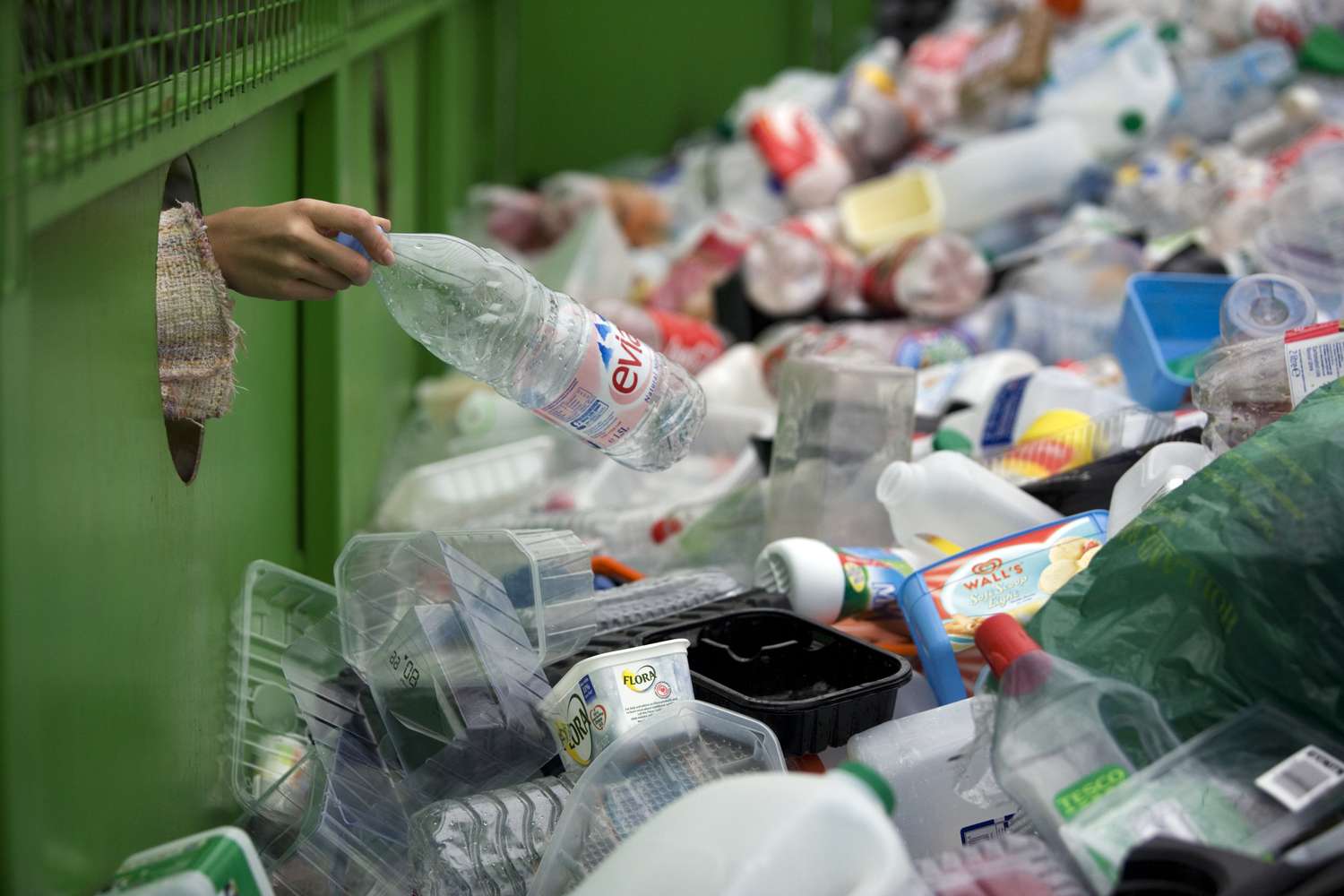
Many articles about recycling explain plastic by numbers or chemistry. That works great − until you find yourself craning over a bin with a solitary item in hand. There is no theory what you want at that moment. You want a decision.
In this article, let’s check step-by-step thinking model you can use right now to answer the question: which plastics can be recycled?
Step 1: Plastic Stage: Are They Hard or Soft?
This is the fastest filter.
- Intermediate products (bottles, tubs, containers) have a greater chance of being recycled
- And soft plastics (bags, wraps, films) − these are most often not curbside recyclable.
Anything that bends too easily or pulls too much is unlikely to belong in the bin.
Step 2: If the Resin Number is Present: Check the Resin Number
The little triangle with a number in it is a pretty good hint − but not a guarantee.
Plastics That Usually Get Recycled
These are typically the safest options for most areas:
- #1 (PET) − water bottles, soda bottles, clear food containers.
- #2 (HDPE) − milk bottles, shampoo bottles, detergent containers
- #5 (PP) − yogurt containers, takeout containers, medication bottles (in most regions)
These three are your best bet if you are uncertain about what plastics can be recycled!
Step 3: Be Aware of the Plastics to Avoid
You never want to put perfect plastics out there and what happens is that it looks recyclable and then it actually causes one more problem than you ever counted on.
#4 (LDPE)
Used for:
- Plastic bags
- Bread wrappers
- Soft packaging
Often rejected in curbside recycling. They take them but separately, not put into bins − this will pose a problem.
#3 (PVC)
Used for:
- Pipes
- Blister packs
PVC pollutes recycling streams (and is generally extracted).
Step 4: Even Plastics That Never Get Out
These plastics are often put in the bin − and often thrown out later.
#6 (Polystyrene)
It includes those packs of foam cups, plates, and food boxes.
Not light, not clean, expensive to process.
#7 (Other)
This category covers:
- Mixed materials
- Bioplastics
- Layered packaging
These cannot be recycled reliably by most facilities.
To know which plastics are okay, it also implies knowing which ones are not to be recycled.
Stage 5: Is the Peace Wash and Vacant?
Not even recyclable plastics work if they are dirty.
Before recycling:
- Empty liquids
- Rinse food residue
- Remove heavy grease
Even a single item that is contaminated can spoil the quality of a batch.
Step 6: Do Not Rebound by Attrition
Wish-cycling is when you place things in a bin because you are hoping that they will be recycled. It doesn’t help.
Wish-cycling leads to:
- Higher contamination
- Slower sorting
- More landfill disposal
Being aware of what plastics will be recycled will help to care for the resources that would be proven beneficial.
A One-Line Rule That Works
Recycle if it is hard, not contaminated, and labeled # 1, # 2, or # 5.
If not, take a break − and don’t rush it.
Final Thought
Recycling isn’t about effort. It’s about precision. When everyone stops taking pot shots in the dark and knows what can actually be recycled, recycling moves from a symbolic act to a useful process.
Less confusion. Fewer mistakes. Real impact.
Homeowners making individual, knowingly small decisions keep whole loads of recycling from being ruined. Ultimately, that precision can save time, space, and recyclable materials from landfills, and keep recycling systems functional.

Comments are closed.