
Category

Business

Category

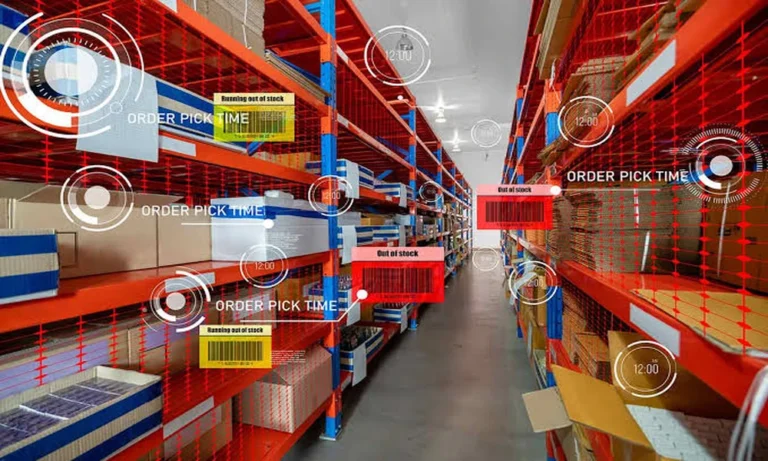
Reliable supply networks help businesses maintain stable operations across changing markets. Product availability influences purchasing decisions throughout many commercial sectors today. A trusted thailand food distributor supports smooth movement between suppliers and buyers. Consistent delivery schedules help reduce delays affecting routine business activities. Strong coordination creates better control over stock movement across operations.

What Supports Reliable Product Movement Today

Reliable movement depends on careful planning at every stage of the supply chain.Clear communication improves coordination between suppliers throughout distribution activities.Well-organized processes help maintain consistency during changing market conditions.

Streamlined Supply Chain Coordination

Supply chain coordination supports steady movement across multiple business requirements.Structured planning reduces delays while improving overall operational efficiency.

Consistent Inventory Management Practices

Inventory control supports availability while reducing unnecessary stock concerns.Accurate monitoring improves preparation across changing purchasing requirements.Regular reviews strengthen operational visibility across different business functions.

How Do Distribution Networks Improve Efficiency

Distribution networks improve efficiency through organized planning across operations.Timely coordination supports reliable movement throughout various supply activities.Stable processes reduce disruptions while improving business continuity outcomes.

Which Factors Influence Delivery Reliability?

Delivery reliability depends on several operational elements working together.Consistent monitoring helps maintain service quality across distribution activities.

  • Accurate forecasting improves preparation during changing purchasing requirements.
  • Clear scheduling supports dependable movement across operational processes.
  • Supplier coordination strengthens communication throughout delivery planning activities.
  • Inventory visibility reduces uncertainty during stock management procedures.
  • Performance reviews improve reliability across future distribution activities.

Effective planning creates stronger support for daily operational requirements. Reliable coordination helps maintain consistency throughout supply-related activities.

Strengthening Supplier Communication Channels

Communication remains important throughout every stage of product movement.Clear discussions help reduce confusion while improving planning accuracy.

  • Frequent updates improve coordination during changing operational requirements.
  • Transparent discussions support smoother purchasing-related decision processes.
  • Shared information improves awareness across supply management activities.
  • Timely responses strengthen operational continuity throughout distribution procedures.
  • Consistent engagement encourages stronger business relationships over time.

Communication quality often influences overall operational reliability significantly.

Improving Order Processing Accuracy

Accurate processing supports efficiency while reducing unnecessary operational delays.Careful verification strengthens consistency throughout order management procedures.

  • Detailed reviews reduce mistakes affecting routine operational activities.
  • Organized records improve visibility throughout transaction management processes.
  • Clear documentation supports reliable movement across supply procedures.
  • Structured workflows strengthen accuracy during processing-related activities.
  • Ongoing assessment improves consistency across future operational requirements.

Reliable processing contributes directly toward smoother operational performance.

Building Trust Through Consistent Service

Consistent service strengthens confidence throughout supplier-buyer relationships.Reliable operations support long-term business continuity objectives effectively.

  • Dependable scheduling improves confidence across routine business activities.
  • Transparent processes strengthen reliability throughout operational procedures consistently.
  • Service consistency supports stronger commercial relationships over time.
  • Operational accountability improves trust across supply management activities.
  • Quality standards strengthen confidence during ongoing purchasing decisions.

Trust develops steadily through dependable performance across operational activities.

Sustainable Progress Ahead

Stable operations depend upon careful planning across every movement stage. Thoughtful coordination supports stronger outcomes throughout changing commercial conditions. Reliable monitoring improves readiness while reducing unnecessary operational concerns. Consistent execution creates smoother workflows supporting long-term business objectives. Businesses working with a dependable thailand food distributor maintain continuity through disciplined practices.

Corporate restructuring and IPO preparation both demand control, speed, and absolute confidence in shared information. Leadership teams must review sensitive records, coordinate advisors, satisfy regulators, and protect stakeholder trust at every step. A virtual data room becomes central to that process because it brings order to high-pressure corporate transactions.

Every document, approval, and investor conversation needs a secure digital base. Teams involved in carve-outs, debt restructuring, mergers, or public listings cannot depend on scattered folders and email trails. After the initial planning stage, イントラリンクス (Intralinks) helps companies manage confidential workflows with stronger governance and clearer visibility. This article will explain this better.

Secure Document Control for Sensitive Corporate Moves

Restructuring usually involves financial statements, legal records, employee data, contracts, lender updates, and board materials. Intralinks VDR solutions give companies a protected space where each file can be stored, indexed, reviewed, and shared with selected parties. Permission settings help ensure that advisors, bidders, lenders, and internal teams see only the content assigned to them.

This level of control is especially useful during distressed asset sales, divestitures, and refinancing discussions. A company can track document access, restrict downloads, and revoke permissions when a party exits the process. That creates a cleaner audit trail and reduces confusion during urgent decision-making.

Faster Due Diligence During Restructuring

Corporate restructuring depends on quick access to accurate information. Delayed diligence can slow negotiations, affect creditor confidence, and create friction between stakeholders.

Key VDR features that support diligence include:

  • Centralized folders for finance, tax, legal, HR, contracts, and operations.
  • Advanced search tools that help advisors locate key records quickly.
  • Q&A modules that organize buyer, lender, or auditor questions in one place.
  • Activity reports that show which documents attract the most attention.

Stronger Readiness for IPO Documentation

IPO preparation requires discipline long before the public filing stage. Companies must organize corporate governance records, audited financials, risk disclosures, material contracts, capitalization details, and compliance documents. Intralinks supports this preparation through secure document libraries that can be refined as banks, legal counsel, auditors, and regulators become involved. For companies preparing to go public, イントラリンクス (intralinks) provides a controlled VDR environment where multiple external parties can review sensitive materials without disrupting version control. Thus, investment banks can review prepared materials, lawyers can manage disclosure drafts, and finance teams can update records with confidence.

Better Collaboration Across Advisors and Stakeholders

Restructuring and IPO projects involve many specialists, and each group brings different priorities. Legal teams need accuracy, finance teams need clean records, lenders need transparency, and executives need fast progress.

Intralinks VDR solutions improve collaboration through:

  • Role-based access for advisors, investors, banks, auditors, and board members.
  • Secure Q&A workflows that reduce duplicate questions.
  • Notifications that keep teams aware of new uploads or pending actions.
  • Reporting tools that reveal engagement across the transaction.

Clear Audit Trails and Compliance Support

Both restructuring and IPO preparation require evidence that information was shared responsibly. A VDR records user activity, document views, permissions, downloads, and updates, which can support compliance reviews and internal governance. These records become valuable when boards, auditors, or legal teams need a clear history of transaction activity. A reliable audit trail also supports investor confidence. When documentation is organized and access is controlled, the company appears better prepared for scrutiny.

Intralinks VDR solutions thus give companies a secure, organized, and transaction-ready space for complex corporate change. They support restructuring through controlled diligence, stakeholder coordination, and stronger document governance. For IPO preparation, they help leadership teams build confidence before entering the public market.

Key Highlights

  • Embalmers handle preparation procedures before funeral ceremonies begin.
  • Preservation procedures help maintain presentation during multi-day wakes.
  • Funeral preparation may involve coordination with transport and repatriation arrangements.
  • Professional embalmers follow careful hygiene and preparation standards.

Introduction

Funeral preparation involves several responsibilities that take place before memorial ceremonies and wake arrangements begin. One of the most important roles during that process belongs to the embalmer in Singapore responsible for preparing the deceased for viewing, transportation, and funeral proceedings. Embalming procedures continue to remain widely used across different religious and cultural funeral arrangements.

Families attending funerals in Singapore may not always see the preparation work completed behind the scenes before wake ceremonies begin. Embalmers handle preservation procedures, presentation preparation, and hygiene measures while coordinating closely with funeral directors and transport providers. Careful preparation helps ensure funeral proceedings remain organised and respectful throughout the memorial period.

Preparation Procedures Before Funeral Ceremonies

Preparation work usually begins shortly after memorial arrangements are confirmed. Dedicated professionals perform thorough cleaning, preservation, and restorative procedures before the deceased is prepared for viewing. Grooming and positioning also form an essential part of the overall respectful process.

Certain ceremonial arrangements involve open-casket viewing sessions lasting for several consecutive days. Finding a skilled embalmer in Singapore helps maintain optimal presentation quality throughout the entire wake period. Proper preservation significantly reduces potential complications connected to hot climate conditions and unexpected scheduling delays.

Relatives may request specific clothing, meaningful accessories, or cherished personal items when arranging traditional funerals in Singapore. Preparation standards vary greatly depending on religious customs and complex transportation requirements. Specialists carefully coordinate each delicate stage to ensure respectful presentation before the formal memorial service officially begins.

Embalming and Repatriation Arrangements

International transportation procedures frequently require thorough preservation before overseas transfers can proceed safely. Repatriation arrangements usually involve strict documentation, specific preservation requirements, and stringent transport regulations. Airline cargo procedures and complex customs clearance protocols demand meticulous attention from an experienced embalmer in Singapore.

Funerals in Singapore often involve overseas family members arriving on delayed memorial schedules. Proper logistical coordination becomes absolutely vital when handling international repatriation cases. Timing, accurate documentation, and high preparation standards all heavily influence how smoothly the entire transfer process proceeds.

Families handling complex logistics alongside repatriation arrangements often work closely with transport providers simultaneously. Embalming plays a crucial role in maintaining suitable physical conditions during prolonged transportation. Destination countries strictly require additional health certifications before final departure approvals are granted by authorities.

Hygiene Standards and Professional Responsibilities

Specialists follow strict procedures connected directly to hygiene, safety, and respectful handling practices. Preparation rooms utilise specialised equipment and rigorous sanitation protocols designed specifically for delicate mortuary work. Protective clothing, sterilisation measures, and controlled environments remain fundamental parts of standard preservation practices.

An embalmer in Singapore manages restorative preparation when additional cosmetic work is urgently required. Careful attention to physical details helps relatives feel comfortable during their final farewells. Presentation adjustments remain absolutely vital before open-casket viewing sessions officially begin for visiting guests.

Communication with funeral directors and grieving relatives forms a massive part of daily professional responsibilities. Relatives frequently request unique cultural attire or sacred religious items connected to customary funerals in Singapore. Preparation procedures continuously balance professionalism, high presentation standards, and deeply respectful care throughout the entire process.

The Role of Embalmers During Modern Funeral Services

Modern funerals in Singapore continue evolving while carefully preserving ceremonial customs connected to different religious traditions. Professionals remain closely involved throughout crucial preparation stages. Their hidden efforts constantly support wake services, cremation ceremonies, burial arrangements, and essential transportation coordination for grieving families.

Guests attend solemn gatherings without realising the amount of behind-the-scenes preparation involved beforehand. A skilled embalmer in Singapore contributes significantly to ensuring all proceedings remain respectful and suitable for multi-day gatherings. Beautifully prepared viewing arrangements ultimately comfort relatives immensely during their most difficult mourning hours.

Preparation work constantly adapts to changing memorial preferences, unique venue arrangements, and strict international transfer requirements. Despite shifting cultural practices, the core professional role remains firmly centred on careful bodily preparation. Respectful handling and seamless coordination guarantee families receive the dignified support they deserve.

Conclusion

Embalmers continue to play an important role throughout modern funeral preparation and memorial arrangements. Preservation procedures, presentation preparation, hygiene measures, and transportation coordination all contribute to organised and respectful funeral ceremonies across Singapore.

Contact Casket Fairprice to arrange respectful funeral planning and seamless professional preparation services in Singapore.

Turkey occupies a unique strategic position, bridging Europe and Asia with a large, young, educated workforce and a growing technology and manufacturing sector. As of May 2026, Istanbul and Ankara are established hubs for technology operations, financial services, and regional management teams. For global employers, compliant hiring in Turkey requires navigating the Turkish Labour Law No. 4857, the Social Security and General Health Insurance Law No. 5510, income tax withholding under the Income Tax Law, and mandatory severance provisions that create a significant long-term liability.

An Employer of Record Turkey provider registers with the Social Security Institution (SGK) and the Turkish Revenue Administration (GIB), manages monthly SGK premium declarations and income tax withholding via the e-Bordro system, and issues Turkish Labour Law-compliant employment contracts, without requiring you to establish an Anonim Sirket (A.S.) or Limited Sirket (Ltd. Sti.) in Turkey.

Why Use an EOR in Turkey in 2026

Turkey’s 2026 employment environment is shaped by high minimum wage increases (adjusted semi-annually to track inflation), SGK’s enhanced digital premium declaration enforcement, and the Turkish Labour Law’s strict rules on definite-term contracts, working time, and termination. An EOR in Turkey manages semi-annual minimum wage updates, SGK prime declarations submitted by the 23rd of each following month, and the complex severance liability accrual that is unique to Turkish employment law.

Strategic Advantages for 2026

  • Income Tax Withholding: Turkey’s progressive income tax applies monthly to cumulative employment income. As income crosses bracket thresholds during the calendar year, the applicable rate increases. An EOR tracks cumulative income per employee and applies the correct monthly rate.
  • SGK Premium Management: SGK premiums are calculated on the gross insurable earnings (bounded by the lower and upper SGK ceiling). An EOR submits the monthly e-Bildirge declaration and remits contributions by the 23rd of the following month to avoid penalty interest.
  • Severance Liability Accrual: Turkey’s Labour Law requires a severance payment of 30 days’ gross salary per year of service, payable when an employer terminates an employee (without just cause) or when an employee leaves after 1 year for specific reasons (military service, pension eligibility, marriage for women). An EOR provisions this accrual monthly.
  • Minimum Wage Semi-Annual Adjustment: The Turkish minimum wage is reviewed twice per year (January and July). All employment contracts and salary structures must reflect the updated minimum immediately. An EOR monitors and applies adjustments to all affected employees.
  • Definite-Term Contract Restrictions: Definite-term contracts can only be used for objectively justified temporary work. Repeated renewal converts the contract to indefinite status automatically. An EOR structures contracts correctly and flags renewal risk.

2026 Income Tax Brackets

Turkey applies cumulative progressive income tax to employment income. Rates are applied to the cumulative total of annual earnings as each threshold is crossed during the year.

Cumulative Annual Income (TRY)

2026 Tax Rate

Up to TRY 110,000

15%

TRY 110,001 – TRY 230,000

20%

TRY 230,001 – TRY 870,000

27%

TRY 870,001 – TRY 3,000,000

35%

Above TRY 3,000,000

40%

SGK Statutory Contributions (2026)

Contribution Type

Employer Rate

Employee Rate

Long-Term Insurance (Pension/Disability)

11.0%

9.0%

Short-Term Insurance (Occupational Risk)

2.0%

Nil

General Health Insurance

7.5%

5.0%

Unemployment Insurance Fund

2.0%

1.0%

Total SGK Burden

22.5%

15.0%

Work Standards and Leave Entitlements

Turkish Labour Law caps working hours at 45 per week. Overtime is limited to 270 hours per year with employee consent, compensated at 1.5x the hourly rate or with compensatory time off.

  • Annual Leave: 14 calendar days per year for employees with 1-5 years of service; 20 days for 5-15 years; 26 days for more than 15 years.
  • Sick Leave: Employees are entitled to sick pay from SGK from the 3rd day of incapacity. The employer is not required to pay during sick leave, though many employment contracts provide top-up arrangements.
  • Maternity Leave: 16 weeks total (8 weeks before and 8 weeks after delivery). Maternity benefit is paid by SGK at two-thirds of the insurable daily earnings. An additional 6 months of unpaid parental leave may be taken after the paid period.
  • Public Holidays: 5 days of national and religious public holidays. Work on public holidays is compensated at double the ordinary rate.

Termination Obligations (2026)

  • Notice Period: 2 weeks for service under 6 months; 4 weeks for 6 months to 1.5 years; 6 weeks for 1.5 to 3 years; 8 weeks for over 3 years. Employer may pay in lieu.
  • Severance Pay: 30 days’ gross salary per year of service (or pro-rata fraction), capped at a government-set ceiling (adjusted semi-annually). Payable on employer-initiated termination without just cause, or qualifying employee-initiated resignation.
  • Invalid Termination: Employees with at least 6 months of service in workplaces with 30 or more employees may apply to the Labour Court for reinstatement within 1 month of dismissal notification. If reinstatement is refused, compensation of 4-8 months’ salary is owed in addition to severance.

Conclusion

Turkey’s employment framework in 2026 demands active management of semi-annual minimum wage adjustments, SGK monthly declarations, cumulative income tax tracking, and the long-term severance liability that accrues with every month of employment. The Turkish Social Security Institution (SGK) governs contribution rates and filing obligations. An EOR removes the entity requirement and manages the full compliance stack, ensuring your Turkey team is hired correctly and protected from day one.

The move by India to develop regional aviation is already bearing some fruit, with Purnia Airport in Bihar registering over one lakh passengers by January 31, 2026, in a few months of operation, the first sign of increasing demand in tier-2 and tier-3 cities. This performance is an indication that the regional connectivity initiatives facilitated through infrastructure development and the growing commercial activities are being successfully executed to support the growth of the region, as per the reports published by Travel and Tour World, released on February 1.

Regional Airport Expansion: A Career Springboard

The case of the successful Purnia Airport belongs to a larger story where the Indian civil aviation sphere is in the process of enhancing regional air accessibility with the help of such initiatives as UDAN ( Ude Desh ka Aam Nagrik ) and specific plans of airport development. There have been massive increases in passenger traffic in the smaller airports like Diu, Pantnagar, Shillong and Tezpur of up to 702 percent on year-on-year basis according to current industry research findings. This change is creating demand not only on flight operations but also on technical infrastructure, which makes airport services safe and secure.

With the opening of new airports and the expansion of the existing ones, ground support systems, such as aircraft maintenance, navigation equipment maintenance, and airplane health management, have to increase at the same time. This is a direct translation into a demand burst in the profession of trained personnel in Aircraft Maintenance Engineering, and who would have to ensure that the aircraft systems are airworthy and in adherence with the safety standards. This would also mean that students will not find themselves restricted to pilots or cabin crews, but instead the technical career opportunities have been broadened in that maintenance engineers are vital in the day-to-day running of an aviation network.

The Importance of this to Students with Aviation Career in mind

To students who want to be in the aviation industry, the development of regional airports is beneficial in the following ways:

  1. More jobs in More Regions: More airports will translate to increased flights, ground handling requirements and maintenance tasks. This translates into more work by the graduates of Aircraft Maintenance Engineering in inspection, regular maintenance and technical management in a broader geographic base.
  2. Introduction to Diverse Aircraft Operations: Regional airports usually feature a combination of different types of aircraft, such as turboprops, narrow-body jets, which presents students with a variety of environments associated with maintenance. Aircraft Maintenance Engineering engineers have a wide range of aircraft to work with and thus have a diverse portfolio.
  3. More Consistent with Plans of National Growth: Strategic expansion plans such as the government objective to build hundreds of airports in the coming two decades portend long-run industry employment.

The students who have been trained in aviation technical fields are well placed in order to enjoy the long term demand for skilled labor. Students should look at training programs that align with the industry to equip them with these opportunities to offer them exposure with hands-on exposure on these opportunities. Colleges with sound aviation programs, like the College of Aeronautical Engineering, provide graduates with the hands on experience and regulatory knowledge being demanded in the industry.

It is hard to shine and keep your head above water in this saturated market and just promises won’t deliver more value. This is achieved through consistency, clang, and have an impact. This is where Maveneer comes into the picture.

Maveneer is a young and agile solution delivery firm founded on strong principles and a commitment to focused execution. It is not about shortcuts. It is about the right work being done. Short-term wins − long-term pain, every decision made through the lens of long-term value. This disciplined mindset enables organizations to move steadily without taking on unwanted risk.

What is Maveneer?

Maveneer is built for high-end businesses that insist on accuracy, efficiency, and lasting value. While other alternatives provide one-size-fits-all immaturity remediation approaches, Maveneer offers structured solutions that help to fulfil existing business needs.

The sticker gives the frontline brand with an emphasis on clarity. Each offering is designed around a functional and pragmatic purpose. This guarantees that solutions are simple to implement and provide immediate impact. Maveneer emphasizes working smarter, not harder without adding extra layers that may just flash!

Why Businesses Choose Maveneer?

Most companies have tools or services overpromising and underdelivering. Maveneer takes a different path.

Maveneer is the go to marketing and branding solution for businesses because Maveneer provides and offers the following:

  • Clear, well-defined processes
  • Solutions built for real-world challenges
  • A focus on long-term performance
  • Consistent quality at every stage

Whereas clients once would be puzzled, they now gain guidance.

The Maveneer Way: Methodical, Not Hasty

The disciplined methodology − which underlies Maveneer − is one of the biggest strengths. Nothing is rushed. Nothing is assumed.

Each engagement dictates a certain format:

  • Understanding the core challenge
  • Defining realistic goals
  • Aligning solutions with business priorities
  • Delivering measurable outcomes

Such a structured mentality serves Maveneer in eliminating the prospect of wasting dollars on rework and dealing with needless grey areas.

How Maveneer Adds Real Value?

It is not just a simple delivery of a value. It’s about impact over time.

With Maveneer, businesses benefit from:

  • Better operational clarity
  • Improved decision-making
  • Reduced friction between teams
  • Scalable on-demand solutions

Benefits like these planned, not band-aids.

What Sets Maveneer Apart?

You will hear this comment in the market space. What separates Maveneer is execution.

Key differentiators include:

  • Focus on fundamentals before innovation
  • Clear communication throughout the process
  • Tangible results over theoretical concepts

Maveneer: For organizations that believe in accuracy over jargon.

Who is Maveneer for the Most?

Maveneer is ideal for companies looking for structure and accountability.

It is especially relevant for:

  • Growing companies seeking stability
  • Teams dealing with process inefficiencies
  • Organizations planning long-term improvement

Maveneer can slip into wherever there is a need for clarity.

Last Take: Built for Results That Stick

Trends come and go. Strong foundations last.

Maveneer is NOT a silver bullet. The focus is on sustainable performance, and acts as a partner you can rely on. Maveneer allows businesses to move ahead with confidence by providing simple, structured, and purposeful solutions. It mitigates long-term risk and sidesteps the pitfalls of perpetual course correction. It also creates confidence, since the results are reliable and the outcomes are trackable. This consistency transforms short term wins into sustainable operational strength over time.

Many articles about recycling explain plastic by numbers or chemistry. That works great − until you find yourself craning over a bin with a solitary item in hand. There is no theory what you want at that moment. You want a decision.

In this article, let’s check step-by-step thinking model you can use right now to answer the question: which plastics can be recycled?

Step 1: Plastic Stage: Are They Hard or Soft?

This is the fastest filter.

  • Intermediate products (bottles, tubs, containers) have a greater chance of being recycled
  • And soft plastics (bags, wraps, films) − these are most often not curbside recyclable.

Anything that bends too easily or pulls too much is unlikely to belong in the bin.

Step 2: If the Resin Number is Present: Check the Resin Number

The little triangle with a number in it is a pretty good hint − but not a guarantee.

Plastics That Usually Get Recycled

These are typically the safest options for most areas:

  • #1 (PET) − water bottles, soda bottles, clear food containers.
  • #2 (HDPE) − milk bottles, shampoo bottles, detergent containers
  • #5 (PP) − yogurt containers, takeout containers, medication bottles (in most regions)

These three are your best bet if you are uncertain about what plastics can be recycled!

Step 3: Be Aware of the Plastics to Avoid

You never want to put perfect plastics out there and what happens is that it looks recyclable and then it actually causes one more problem than you ever counted on.

#4 (LDPE)

Used for:

  • Plastic bags
  • Bread wrappers
  • Soft packaging

Often rejected in curbside recycling. They take them but separately, not put into bins − this will pose a problem.

#3 (PVC)

Used for:

  • Pipes
  • Blister packs

PVC pollutes recycling streams (and is generally extracted).

Step 4: Even Plastics That Never Get Out

These plastics are often put in the bin − and often thrown out later.

#6 (Polystyrene)

It includes those packs of foam cups, plates, and food boxes.

Not light, not clean, expensive to process.

#7 (Other)

This category covers:

  • Mixed materials
  • Bioplastics
  • Layered packaging

These cannot be recycled reliably by most facilities.

To know which plastics are okay, it also implies knowing which ones are not to be recycled.

Stage 5: Is the Peace Wash and Vacant?

Not even recyclable plastics work if they are dirty.

Before recycling:

  • Empty liquids
  • Rinse food residue
  • Remove heavy grease

Even a single item that is contaminated can spoil the quality of a batch.

Step 6: Do Not Rebound by Attrition

Wish-cycling is when you place things in a bin because you are hoping that they will be recycled. It doesn’t help.

Wish-cycling leads to:

  • Higher contamination
  • Slower sorting
  • More landfill disposal

Being aware of what plastics will be recycled will help to care for the resources that would be proven beneficial.

A One-Line Rule That Works

Recycle if it is hard, not contaminated, and labeled # 1, # 2, or # 5.

If not, take a break − and don’t rush it.

Final Thought

Recycling isn’t about effort. It’s about precision. When everyone stops taking pot shots in the dark and knows what can actually be recycled, recycling moves from a symbolic act to a useful process.

Less confusion. Fewer mistakes. Real impact.

Homeowners making individual, knowingly small decisions keep whole loads of recycling from being ruined. Ultimately, that precision can save time, space, and recyclable materials from landfills, and keep recycling systems functional.

Modern homes value thoughtful appliances that make every day routines easy while protecting garments from damage. A washing machine has become more than a utility; it represents care and efficiency in one design. People look for dependable functions that clean well yet keep fabrics soft. Such appliances simplify chores, preserve clothes, and save time for every household. These advanced models also ensure delicate materials stay smooth after every wash while offering a fair laundry machine price.

Smart Fabric Protection Features

Latest washing devices focus on care through innovative drum design and controlled motion. These machines adjust the water level to suit every texture, keeping each fabric safe. The gentle spin process avoids stretching or tearing during rinsing. This thoughtful approach helps preserve natural color and texture while ensuring a fresh look after each wash.

Efficient Cleaning Technology

Advanced models come with sensors that detect dirt levels precisely for better results. The technology ensures clean clothes without excess energy or detergent use. The cycle management uses less water yet gives better hygiene protection. Even large loads remain evenly washed, saving both time and power across each cycle. These intelligent systems maintain steady washing performance, protect every thread from wear, and keep fabric colors bright through consistent, careful cleaning action.

User-Friendly Operation Panel

These washing appliances focus on comfort through clear control layouts and smooth knobs. The screen provides visible alerts for wash cycles and timing options. People of any age can set preferred modes without confusion. Such simplicity turns routine washing into a guided and easy household process, including a transparent laundry machine price within display models.

Durable Build Quality

Reliable performance comes from strong internal components and protective outer materials. The frame resists moisture damage, keeping the body intact through long usage. Internal parts withstand regular vibration during spin functions, maintaining balance. Every feature ensures consistent washing quality while supporting sustainability across years of service.

Energy Saving Functions

Modern washers bring responsible cleaning while reducing power consumption for each wash. They balance efficiency with gentle care for different materials. The built-in sensors control the cycle length based on load weight. Some benefits include:

  • Lower power use per complete washing cycle
  • Stable water level control for each fabric material
  • Shorter drying time through smooth spin speed
  • Extended garment life with low-friction motion
  • Silent operation even during nighttime usage

Premium washers deliver both performance and protection by balancing gentle handling with thorough cleansing. Such machines maintain smooth texture and natural freshness across all clothing types. Their designs minimize maintenance effort while keeping energy consumption controlled. With thoughtful technology and balanced features, users can rely on lasting efficiency that keeps laundry routines easy.

FAQs

What makes premium washing machines better for fabrics?

They use gentle drum action that reduces strain on delicate garments.

Do these models save energy during long washing cycles?

Yes, they adjust cycle time intelligently based on load and fabric type.

How do modern washers manage delicate clothes effectively?

They balance water motion speed and temperature for smoother cleaning results.

Lithium is sometimes nicknamed as “white gold” for its increasing significance in the clean energy and tech space. It is used to power electric cars, solar storage, laptops, and also phones. However, it has to be extracted from the ground first, an extensive and energy-consuming process before it will ever get into a battery. So, how is lithium mined? The answer isn’t one-size-fits-all. Each region follows a specific technique for extraction that best suits the available natural resources and the climate of the region.

Two Initial Sources for Lithium

In order for us to grasp how is lithium mined, we need to understand where it is located. There are two primary types of lithium:

  • Underground brine deposits
  • Hard-rock mineral deposits

Each has a unique mining method and environmental and operational issues.

Lithium Extraction from Brine − Nature Does 90% of the Job

Lithium extraction using brine is also commonplace where there are expansive salt flats − primarily South America. In this case, lithium resides in salty groundwater below the ground.

The Process:

The method relies on evaporation:

  • Saltwater, buh-bye brine is pumped from subterranean reservoirs to the surface.
  • The liquid is dispersed into broad, shallow evaporation ponds.
  • It takes months for sunlight to evaporate all this water.
  • Layers of minerals then precipitate out.
  • Brine is harvested from salt flats, then extracted and processed into material suited for batteries.

Brine extraction is not as fast, but it is more manual, less machinery-intensive. Such evaporation is less energy intensive and especially water-dependent, with the sun and wind carrying out most of the work.

Extracting Lithium from Hard Rock: The Spodumene Digging

In Australia, Canada, and China the mineral spodumene is where the Lithium hides. Hard-rock mining − a more old-school, industrial method.

The Process

  • This series of mechanical and chemical steps:
  • Spodumene ore is mined from open-pit mines.
  • The ore is broken up into smaller pieces.
  • It is then fired in a kiln, changing its crystal structure.
  • This separation is achieved through chemical treatments which isolate lithium from other minerals.
  • The lithium concentrate is the final product.

While hard-rock extraction is quicker than brine evaporation, this method is more energy-intensive and produces much more waste rock.

An Evolving New Process: Direct Lithium Extraction

Blockchain miners are looking for cleaner, quicker solutions − as demand rises. One of the more recent advancements is Direct Lithium Extraction (DLE). It bypasses evaporation ponds using such technology as advanced filters or absorbent material to extract lithium from brine.

DLE can be:

  • Faster
  • Less land-intensive
  • Potentially lower in water use

Still in development, it could change how lithium mining takes place down the road.

Environmental Impact Matters

Lithium is crucial to green technology, but its extraction is not without impact. Each extraction method carries challenges:

  • Extraction of brine could utilize local water reserves.
  • Land disruption and high energy consumptions − part of the cost of hard-rock mining.
  • You can create waste due to chemical processing if not handled properly.

Hence the increasing emphasis on recycling lithium batteries. As we recycle better and better, we do not stress the environment.

Final Thoughts

So, how is lithium mined? Using brine evaporation, hard-rock extraction or new direct-extraction technologies. All those processes serve to provide an essential mineral for the world that use for modern clean energy. With growing demand, mining methods are going to adapt, and it will weigh with efficiency and environmental benefit.

Bitcoin payment splitting services solve critical distribution challenges for businesses with multiple stakeholders, investment groups, and collaborative projects requiring automated fund allocation. These specialised protocols automatically divide incoming cryptocurrency payments according to predetermined percentages or fixed amounts, eliminating manual redistribution tasks and reducing potential disputes between partners. The technology leverages Bitcoin’s programmable nature to create transparent, verifiable distribution systems operating without intermediaries. Financial technology developers have developed increasingly sophisticated splitting mechanisms to address various co-ownership scenarios. Check this out as an advancement in distributed commerce infrastructure: incoming payments can now split instantly between dozens of recipients with customizable rules reflecting complex ownership arrangements. This automation eliminates settlement delays, administrative overhead, and reconciliation tasks that traditionally complicate multi-owner business operations.

Multi-signature security protocols

The most robust payment splitting implementations integrate multi-signature security protocols, ensuring all stakeholders maintain appropriate oversight. These systems typically require a minimum threshold of owner approvals before modifying distribution parameters, protecting against unilateral changes by any single participant. The multi-signature approach creates a governance layer above the automatic splitting function, establishing appropriate checks and balances. Advanced implementations include tiered authorisation levels where routine transactions are processed automatically, while parameter changes require escalating approval thresholds. This balanced approach maintains operational efficiency for standard payments while preserving security for configuration modifications. The verification requirements scale appropriately with transaction significance, preventing bottlenecks while maintaining appropriate security controls.

Smart contract distribution models

Payment splitting services utilise several distribution models to accommodate different ownership structures:

  • Percentage-based allocation dividing funds proportionally among stakeholders
  • Fixed-amount prioritisation sends specified amounts to specific recipients before splitting the remaining funds
  • Threshold-triggered distributions activating only after receiving minimum payment amounts
  • Time-locked distributions releasing funds to recipients according to predetermined schedules
  • Conditional allocations adjusting distribution based on external triggers or data inputs
  • Hybrid models combining multiple approaches for complex ownership arrangements

These flexible models accommodate diverse business arrangements from simple partnerships to complex revenue-sharing agreements with multiple tiers of participants. The programmable nature of these systems allows for rule adaptability as business relationships evolve, without requiring complete restructuring of the payment infrastructure.

Real-time splitting mechanics

The technical implementation of payment splitting operates through specialised scripts embedded within transaction structures. These scripts execute automatically whenever payments reach the designated receiving address, instantly dividing funds according to the predefined distribution rules. This zero-delay approach eliminates the settlement lag traditionally experienced with manual redistribution methods. The splitting occurs at the blockchain protocol level rather than through application-layer processing, creating immutable distribution records within the transaction history. This native implementation ensures complete transparency as all allocations are permanently recorded on the public ledger. Stakeholders can independently verify the correct distribution without relying on reports generated by any single participant.

Practical applications expanding

Payment splitting services find productive applications across diverse business models where multiple parties share financial interest. Creative collaborations benefit substantially from this infrastructure as artists, producers, and distributors automatically receive appropriate compensation shares upon payment. This automatic splitting encourages fair compensation across the entire value creation chain without requiring trust in central payment processors. Small business partnerships benefit from the transparency and efficiency of automated splitting, reducing potential conflicts over payment allocation. The system provides indisputable distribution records while eliminating administrative tasks previously requiring significant partner time or external bookkeeping services. This infrastructure simplification allows partners to focus on business operations rather than payment reconciliation.