
Sewer line problems are not always easy to spot. In many cases, the damage happens underground, where it cannot be seen during a normal plumbing check. However, ignoring early warning signs can lead to unpleasant smells, slow drains, sewage backups and costly repairs.
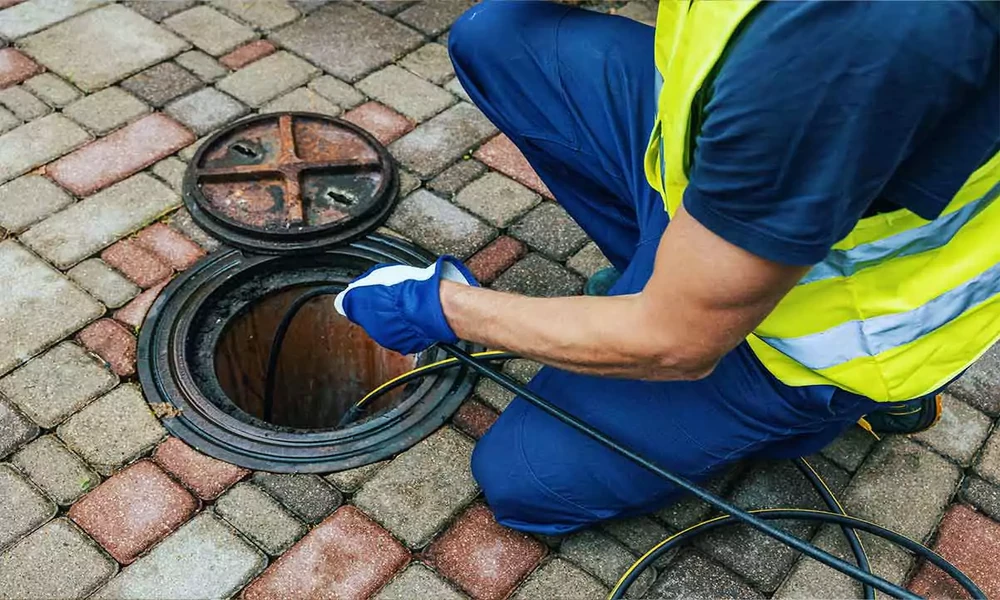
A sewer camera inspection offers a practical way to investigate these hidden issues. It allows a plumber to look inside the sewer pipe using a small waterproof camera. The camera sends live images to a monitor, helping the professional identify blockages, cracks and other damage without digging up the garden or driveway.
For property owners considering sewer inspection Weld County, CO, this process can provide valuable information about the condition of their underground pipes. It helps identify problems before they become more serious. Similarly, a professional sewer inspection Weld County, CO can help homeowners understand whether their sewer line needs cleaning, repairs or replacement.
Let’s explore eight common sewer line problems that a camera inspection can detect and why identifying them early matters.
1. Tree Root Intrusion
Tree roots are one of the most common causes of underground sewer pipe damage. Roots naturally grow towards moisture and nutrients. If a sewer pipe has a small crack or loose joint, roots may enter through the opening.
Over time, they can spread inside the pipe and create a thick mass. This restricts wastewater flow and may eventually cause a complete blockage.
A sewer camera inspection can reveal:
- Small roots entering through pipe joints.
- Large root growth blocking the pipe.
- Cracks caused by expanding roots.
- Areas where roots have spread along the sewer line.
Once the problem is identified, a plumber can recommend suitable root removal or pipe repair methods. Early action can prevent further damage.
2. Cracked or Broken Sewer Pipes
Sewer pipes can crack for several reasons. Age, ground movement, heavy vehicles and changing soil conditions can all put pressure on underground pipes.
Small cracks may initially cause minor leaks. However, they can become larger over time. Wastewater may escape into the surrounding soil, while dirt and groundwater may enter the pipe.
A sewer camera helps plumbers locate the exact position and size of visible cracks. This makes it easier to decide whether a local repair or a larger replacement is necessary.
It also reduces the need for unnecessary excavation because the damaged section can be identified more accurately.
3. Grease and Fat Build-Up
Kitchen waste is another common cause of sewer line blockages. When cooking oils, fats and grease are poured down the sink, they can cool and stick to the inside of the pipes.
Over time, these materials collect other waste and create a thick layer. As a result, wastewater struggles to pass through the pipe.
A camera inspection can show where grease has collected and how much space it is taking up.
Common warning signs include:
- Kitchen sinks draining slowly.
- Unpleasant smells coming from drains.
- Water backing up when using the sink.
- Frequent blockages despite regular cleaning.
Once the build-up is located, a plumber can recommend professional drain cleaning to restore proper water flow.
4. Pipe Misalignment and Disconnected Joints
Underground sewer pipes are connected through joints. These joints must remain properly aligned to allow wastewater to flow smoothly.
However, soil movement, ground pressure and ageing materials can cause sections to shift. In some cases, pipe joints may become loose or completely disconnected.
This can create gaps where soil and other materials enter the sewer line. It may also allow wastewater to escape into the surrounding ground.
A sewer camera inspection helps identify:
- Misaligned pipe sections.
- Separated joints.
- Gaps between connected pipes.
- Areas where debris is collecting.
Finding these issues early can prevent further movement and more extensive pipe damage.
5. Blockages Caused by Foreign Objects
Not everything that goes down a drain belongs in the sewer system. Items such as wet wipes, sanitary products, paper towels and other household waste can create serious blockages.
Even products labelled as flushable may not break down as easily as ordinary toilet paper.
These materials can become trapped inside the pipe, especially where there are already bends, rough surfaces or narrow sections.
A sewer camera allows plumbers to see the object causing the obstruction. It can also help determine whether the blockage is isolated or connected to a larger problem.
Removing the blockage promptly can restore normal drainage and reduce the risk of sewage backing up into the property.
6. Pipe Corrosion and Deterioration
Older sewer lines may deteriorate as their materials age. Metal pipes can develop rust and corrosion, while older clay or concrete pipes may become weak and damaged.
As the inside surface wears away, it can become rough and uneven. This makes it easier for waste and debris to collect.
A camera inspection can reveal visible signs of deterioration, including:
- Rust and corrosion inside metal pipes.
- Damaged or worn pipe surfaces.
- Flaking or broken sections.
- Areas where the pipe has become unusually narrow.
Identifying these signs helps plumbers assess whether cleaning or repairs will be sufficient. In more serious cases, replacing the affected section may be the safer long-term option.
7. Sewer Pipe Bellies or Low Spots
A sewer pipe should have the correct slope to allow wastewater to flow towards the main sewer connection.
However, ground movement or poor installation can cause part of the pipe to sink. This creates a low area, often called a pipe belly.
Instead of flowing smoothly, wastewater collects in this section. Solid waste may settle at the bottom, gradually creating blockages.
A sewer camera inspection can show standing water and areas where waste is collecting. It can also help a plumber identify the location of the low spot.
Depending on the severity, the solution may involve repairing or replacing the affected pipe section. Simply clearing the blockage may not solve the underlying problem.
8. Hidden Leaks and Water Infiltration
Sewer pipes should carry wastewater safely away from the property. However, cracks, damaged joints and loose connections can allow water to move in or out of the system.
Groundwater may enter through damaged sections, particularly after heavy rainfall. Equally, sewage can escape into the surrounding soil.
These problems may remain unnoticed for a long time because the pipes are buried underground.
A sewer camera can reveal visible signs of water entering through joints, cracks or damaged pipe sections. It can also identify areas where water appears to be collecting unexpectedly.
Further testing may be needed to confirm the exact source of a leak. Nevertheless, a camera inspection provides a useful starting point for finding hidden problems.
Why Is a Sewer Camera Inspection Worth Considering?
A sewer camera inspection does more than identify blockages. It gives plumbers a clearer picture of the overall condition of the underground drainage system.
Here are some important benefits:
Accurate problem identification: The camera helps locate cracks, roots, blockages and other visible defects inside the pipe.
Less unnecessary digging: Since the plumber can see where the problem is located, there may be less need to excavate large areas to investigate the issue.
Better repair planning: Understanding the type and location of the damage makes it easier to choose an appropriate repair method.
Early detection: Small problems can be identified before they develop into major drainage emergencies.
Useful property information: A camera inspection can help when buying an older property or checking the condition of an existing sewer system.
However, it is important to understand that a camera inspection is a visual assessment. It may not reveal every structural weakness or confirm every leak. Additional tests may sometimes be necessary.
When Should You Schedule a Sewer Camera Inspection?
You do not have to wait for a major plumbing emergency before arranging an inspection. Certain warning signs suggest that your sewer line needs professional attention.
Consider scheduling an inspection if you notice:
- Multiple drains becoming slow at the same time.
- Frequent toilet or drain blockages.
- Sewage smells around your property.
- Gurgling sounds coming from sinks or toilets.
- Wastewater backing up into drains.
- Unusually wet or sunken areas in your garden.
It is also worth considering an inspection if you have an older property or are planning to purchase a home with an ageing drainage system.
A qualified plumber can assess the symptoms, inspect the sewer line and explain the next steps.
Frequently Asked Questions
1. How long does a sewer camera inspection take?
Most standard sewer camera inspections take around 30 minutes to an hour. However, the time can vary depending on the length of the sewer line, its condition and whether the plumber encounters any blockages.
2. Can a sewer camera inspection detect tree roots?
Yes. A sewer camera can show roots growing through cracks, joints or damaged sections of a pipe. It can also help identify how far the roots have spread and whether they are restricting wastewater flow.
3. Do plumbers need to dig up the garden during a camera inspection?
Usually, no. The camera is inserted through an existing access point, such as a cleanout or suitable drain opening. This allows the plumber to inspect the inside of the pipe without digging up the surrounding area.
4. How often should a sewer line be inspected?
There is no fixed inspection schedule for every property. Older homes, properties with large trees near sewer lines and homes with recurring drainage problems may benefit from more frequent checks. A plumber can recommend a suitable inspection schedule based on the pipe’s age and condition.
Conclusion
Sewer line problems can develop quietly beneath your property, making them difficult to identify without the right equipment. From tree root intrusion and cracked pipes to grease build-up and hidden leaks, several issues can affect the performance of your drainage system.
A sewer camera inspection makes it easier to identify these problems without immediately resorting to excavation. More importantly, it provides useful information for choosing the right repair solution.
Regular attention to your drainage system, combined with professional inspections when warning signs appear, can help prevent unexpected plumbing emergencies. Acting early can also protect your property from avoidable damage and expensive repairs.

Comments are closed.