
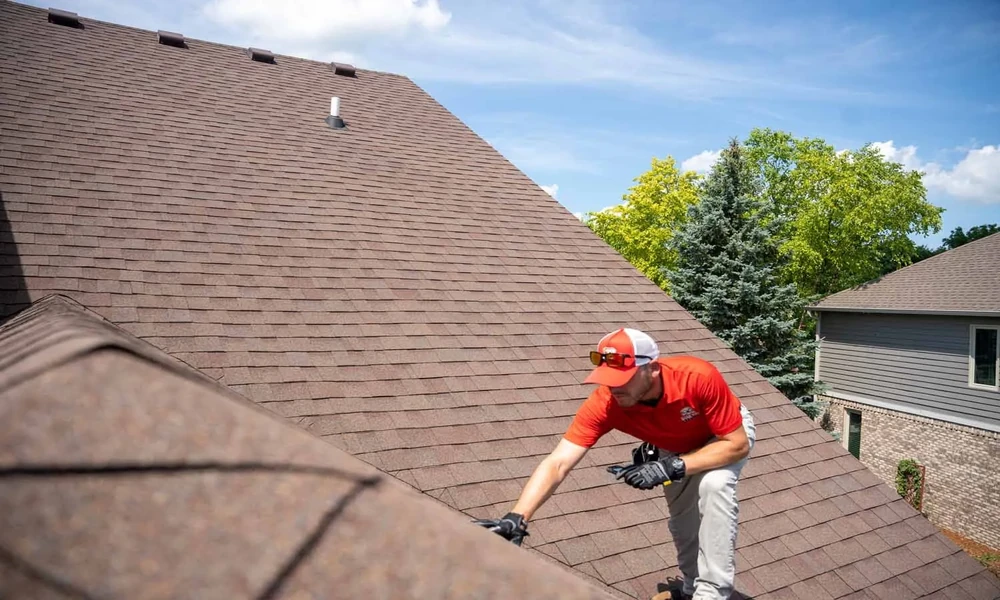
Florida’s climate places different forms of pressure on roofing systems throughout the year. Mild winter conditions support planned service, while summer rain and hurricane winds create more urgent concerns. Property owners who follow these seasonal changes can address weak areas before harsh conditions cause greater damage.
A seasonal repair strategy helps professionals separate preventive work from emergency service. Tiles, shingles, metal panels, flashing, underlayment, and drainage components may require attention at different times. This article explains how Florida’s dry period, pre-storm window, rainy months, and hurricane threats influence repair priorities.
Dry Months Favor Planned Roof Repairs in Florida
From November through April, reduced rainfall and lower humidity provide suitable conditions for quality roof repairs in Florida. Dry surfaces allow contractors to complete flashing, sealant, tile, shingle, and metal work with fewer weather interruptions. Stable forecasts also support extensive projects that may require several consecutive clear days.
Specialists may replace cracked shingles, broken tiles, loose metal panels, or deteriorated flashing weakened by heat and previous storms. They can also examine worn underlayment and determine whether targeted service remains practical. When damage affects a broad area, this period may provide a suitable opportunity to consider replacement options.
Longer Dry Periods Improve Project Coordination
More predictable weather helps contractors organize inspections, material deliveries, and complex repairs efficiently. Property owners can also arrange access around household routines or regular business operations. Appointment availability may still vary according to local demand, project size, and contractor schedules.
Late Spring Creates a Short Preparation Window
May and early June in Florida provide limited time to prepare before frequent downpours begin. A professional inspection may reveal loose materials, small openings, damaged flashing, or weak edges that strong winds could disturb. Early corrections help the roofing system enter storm season with fewer vulnerable areas.
Important pre-storm priorities may include:
- Replacing missing, cracked, or displaced tiles and shingles
- Correcting loose flashing around vents, walls, and joints
- Sealing small openings that may admit wind-driven rain
- Checking drainage paths for blocked or damaged sections
- Examining ceiling stains that may signal concealed leaks
These services focus on existing weaknesses rather than cosmetic changes. They also help contractors identify concerns that require attention before heavy afternoon storms become frequent. Timely preparation can reduce the chance of sudden water entry once rainfall intensifies.
Summer Rain Makes Leak Control a Priority
Heavy summer downpours in Florida can expose openings that remained hidden through the drier months. Ceiling discoloration, damp areas, or visible dripping may point to damaged materials or weakened flashing. Contractors must locate the true entry point because water can travel beneath the surface before appearing indoors.
Professional service may involve replacing damaged components, restoring vulnerable joints, or repairing areas around valleys, vents, and other penetrations. Prompt correction limits continued exposure when another storm may arrive shortly afterward. It also helps protect ceilings, walls, insulation, and interior belongings from moisture.
Hurricane Season Raises the Need for Emergency Service
From June through November, strong wind, intense rainfall, flying debris, and prolonged sun exposure place severe stress on exterior coverings. Lifted shingles, shifted tiles, damaged metal panels, fallen branches, and open sections require fast professional attention. Emergency crews usually prioritize damage that exposes interior spaces or structural materials.
Demand can rise sharply after a major storm, while unsafe conditions may interrupt scheduled projects. Contractors may postpone non-urgent renovations so they can focus on temporary protection, active leaks, and essential restoration. Access to quality roof repairs in Florida becomes especially important when prompt service can secure an exposed area.
Properties in Florida benefit from repair plans that respond to current weather conditions. Dry months suit planned work, while late spring provides time to correct weaknesses before severe storms arrive. Summer rain and hurricane threats move leaks, loose materials, and exposed sections to the top of the service list. Timely professional care helps the building remain protected throughout every season.

Comments are closed.