
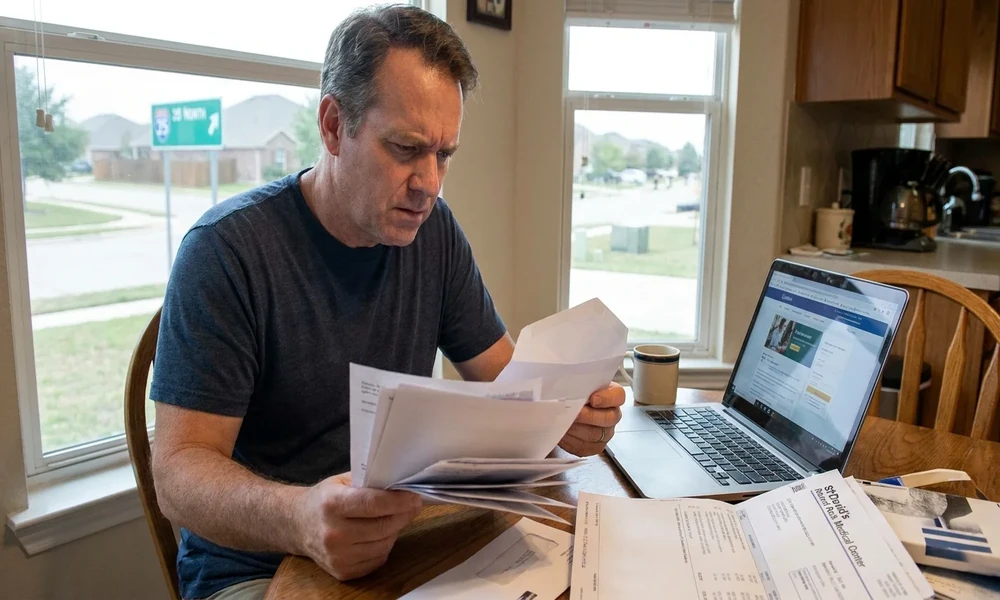
Seven days. That is how long the average first settlement offer takes to land in your inbox after a fender bender on the Katy Freeway, and it is almost always built to be refused. I have watched enough claim files to know the pattern: an adjuster calls while your neck still hurts, offers a number that sounds big next to your tow bill, and hopes you sign before you understand there are two insurance companies in the room, not one.
Most people assume the other driver’s insurer pays and that is the end of it. Then they learn their own policy has a say too, and the two companies start pointing at each other while the clock runs. When the finger pointing gets loud, hiring a Houston Car Accident Lawyer, Houston, TX early tends to change the math, because a lawyer reads both policies at once instead of chasing one adjuster. What follows is the part of a Texas crash claim that nobody explains at the scene.
Two policies, one crash: the trap explained
Texas requires drivers to carry liability coverage, and the state publishes those minimums through the State of Texas and its insurance regulator. What the statute does not tell you is that your own policy is a second participant in your claim, whether you bought collision coverage or a stack of uninsured motorist protection. That second policy is where the trouble hides.
Here is a real scenario with the names stripped. A driver on the Southwest Freeway gets rear-ended at a light. The at-fault insurer admits fault quickly, which feels like a gift, then offers a figure that covers the ER visit and nothing else. Meanwhile the driver’s own uninsured motorist carrier sends a reservation of rights letter and asks for a recorded statement. Two adjusters, two sets of forms, two sets of deadlines, and neither company will move until the other one commits.
Six weeks pass in that standoff. That is the trap: it is not one lowball, it is a stalemate engineered by paperwork.
Why the first offer is a floor, not a ceiling
Adjusters are not villains. They are measured on what they close, and their first number reflects the file they can see, which is the file you handed them. If you gave a recorded statement while on painkillers and mentioned feeling fine before the whiplash set in, that sentence becomes the anchor for everything after.
The Insurance Information Institute tracks how auto claims move through the system, and the broad takeaway across the industry is simple: claims that get documented early and reviewed by counsel resolve differently than claims closed in a week. Not always higher in absolute dollars, but structured around actual damages instead of a quick signature. The offer you accept on day seven sets your ceiling forever. Anything the crash costs you later comes out of your own pocket.
What an adjuster actually reads first
The demand letter. Not your medical records, not the photos, not the witness statement. The letter that frames the claim, orders the damages, and shows the adjuster exactly what a jury would hear. If that documents are thin, the offer is thin. It is that blunt, and honestly it is the single most useful thing to understand before you call anyone.
The two-file system I would use after any Houston crash
This is the part you can start today, without a lawyer and without spending a dime. Treat your claim as two separate files and keep them separate on purpose.
- File one, the liability file. The police crash report number, the other driver’s insurance card, photos of both vehicles, and any dashcam or nearby business camera footage. Ask for the report and request preservation of footage in writing within days, because storage systems overwrite.
- File two, the damages file. Every ER bill, every follow-up invoice, the pharmacy receipts, the miles you drove to appointments, and the pay stubs that show missed shifts. Add a plain one page timeline of your days, written in your own words, before memory softens.
- The gap log. A single sheet where you note every call from either adjuster, the date, and what they asked for. If a statement was requested, write down that you declined to give one until you had advice.
I would keep the gap log even if I never hired anyone. It is the one document that forces an adjuster to slow down, because nothing makes a claims desk nervous like a claimant who writes things down and keeps dates straight.
The deadlines that quietly decide your case
Texas gives injury claimants a limited window to file suit, and the rules on notice and filing live in the statutes the federal courts and state court systems publish for the public. The practical version: the clock does not pause because you are still treating, and it does not restart when the insurer says it is “reviewing” your file. Every week you wait narrows your options and makes the stalemate between two insurers more expensive for you than for them.
Evidence ages badly too. Skid marks fade, witnesses move, and the teenager who saw the whole thing from a parking lot graduates and changes phone numbers. A claim that felt open in March can look closed by fall.
What changes when a lawyer enters the room
Three things, in my experience. The recorded statements stop. The adjuster correspondence gets routed to someone who reads it for a living. And the two insurers finally have to negotiate with each other instead of trading letters through you. That last shift is the whole game.
There is a cost, and you should hear it straight: most injury firms work on contingency, meaning a percentage of the recovery rather than an hourly bill, and that percentage reduces your net if the case settles. For a small claim with a clean paper trail, you might do fine alone. For anything with two policies, a disputed fault finding, or an injury that lingers past a month, the math usually favors having counsel. That is my read, and I have seen the alternative go badly often enough to say it plainly.
Before you sign anything, ask these four questions
Whether you hire a lawyer or go it alone, run every offer through this short screen. Who else pays if this policy runs out? Does this number cover treatment I have not finished? What happens to my own policy premium? And is the release I am signing closing only this claim, or every claim I might have from the crash? That last question has ended more second chances than any other. A release is a door that only closes.
None of this is meant to scare you off a fair offer. Sometimes the first number is genuinely reasonable, and a quick, clean resolution beats a long fight. But you cannot tell a fair offer from a floor until you know both policies are on the table and both adjusters know you understand that. Two insurers, one crash. Keep your files separate, keep your dates written down, and make the people holding the money come to you with a real number. If your crash happened in Houston and the offers still feel low, the next call is yours to make.

Comments are closed.