
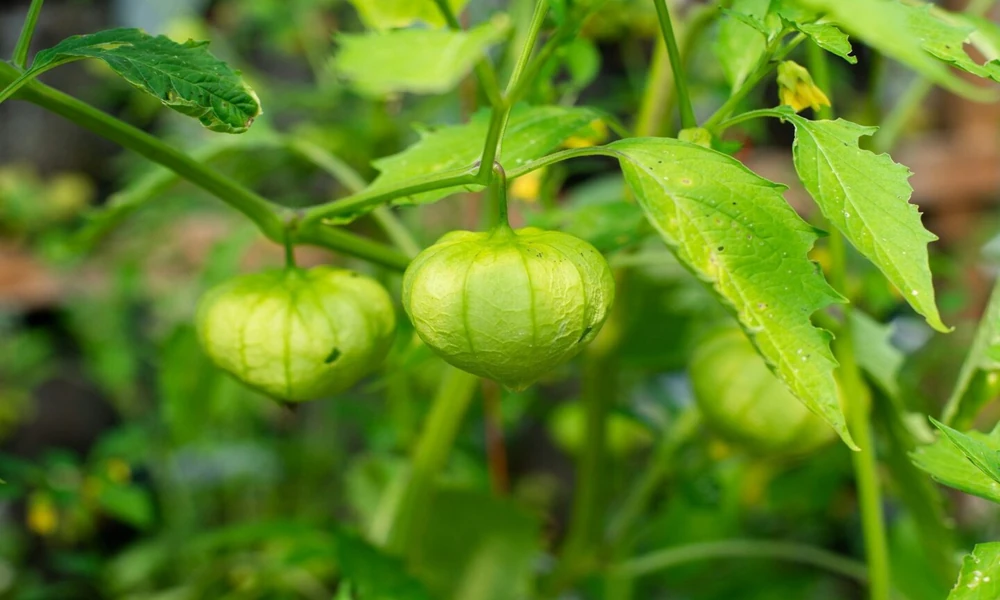
An unfamiliar fruit earns its place in a garden when it offers something the gardener actually wants to discover. That might be a different texture, a new fruit for preserves or simply the chance to follow an edible plant through its seasons. UK suppliers offer plenty of possibilities beyond the usual apples and raspberries, although unusual is a broad label for plants with very different needs.
A jostaberry is a substantial bush. A kiwi berry climbs. Cranberries grow close to the ground and need an acidic setting. Putting them together under the heading of unusual fruit does not make them companions for the same bed. The interesting part of the search is finding the crop that fits the space already available.
For a first experiment, one well-chosen type is often enough to learn from. Some crops need a compatible partner, so that may mean two plants rather than one. The aim is a small, intelligible planting whose identity and requirements are clear, leaving room to enjoy what is new about it.
Why these ten suppliers are included
Each entry has a named edible crop in its published range and a buying route relevant to UK gardeners. The comparison favours useful differences: cane fruit, climbing fruit, bush fruit and low-growing acid lovers, offered as identifiable cultivars or clearly named species. The order opens with a range that makes those contrasts visible, then follows more specific opportunities.
Supplier descriptions were read for plant identity, starting size and availability. Health claims and extravagant promises of yield have no role in the ranking. This is an editorial exploration of documented plants, not an account of personal tasting or a recommendation to eat berries from unidentified ornamental plants.
Top 10 UK Suppliers for Exploring Less Familiar Fruit Plants
1. Chris Bowers & Sons
Boysenberry, jostaberry and lingonberry make an intriguing little group in the ChrisBowers range for UK fruit gardens. They appear in the Connoisseurs selection and wider fruit categories, but their names conceal quite different plants. Following those differences is a pleasant way to choose a first unfamiliar crop.
There is a cane-fruit route through boysenberry, and a bush-fruit route through jostaberry. The latter is described as a vigorous thornless hybrid involving blackcurrant and gooseberry. It needs a place in which that bush can develop. Lingonberry brings the scale down towards the ground, with an acidic environment among its requirements.
Which of those prospects is most appealing? The answer may already be in the garden: a suitable support, an open patch for a bush or a bed whose soil suits the lingonberry. Let that available place guide the experiment.
The range earns its recommendation by opening several distinct crop choices. A mixed collection can be enjoyable when every plant has a destination, but there is equal satisfaction in pursuing one category and learning it properly. The novelty then survives beyond the plant label into the actual experience of growing the crop.
2. Edible Canopy
Goji is often encountered as a dried berry long before it is considered as a garden plant. Edible Canopy offers No.1 Lifeberry in a 2-litre pot, identifying it as Lycium barbarum. A familiar food name becomes a specific cultivar and a living shrub to investigate.
That identity is a sound beginning for the experiment. The little pot should prompt an enquiry about the plant’s eventual habit and space, rather than suggest it can be squeezed into any spare corner. The nursery’s current shipping or collection arrangements also need to suit the purchase: standard mainland dispatch is described in its policy, with other destinations quoted separately and seasonal notices affecting timing. Once those details are settled, the interest is in following this named goji through its own growing cycle.
3. Jurassicplants Nurseries
Twenty centimetres of Issai does not look much like an overhead fruit crop. Jurassicplants sells the kiwi berry at that young stage, leaving the growth and training ahead of the gardener. A prepared support and some patience belong with the order.
The name Actinidia arguta is worth keeping. It identifies the smooth-fruited kiwi-berry type, rather than the larger fuzzy kiwi that might first come to mind. Issai is presented as self-fertile. The intended crop and its support can therefore be explored around one named young vine, while avoiding any assumption of an immediate harvest.
For someone who enjoys seeing a plant build its structure, the small start is part of the appeal. The nursery also lists aronia among its edible shrubs, but Issai is the distinctive climbing project here.
4. Burncoose Nurseries
KaPow is a lively name for Burncoose’s Ugni molinae selection. The plant account gives the substance behind it: pale pink flowers followed by edible autumn fruit, offered in a 2-3-litre pot. Chilean guava brings a different botanical character from currants, cane fruit or kiwi.
The current listing uses a return-to-stock notification, and its estimated window is not a reliable promise once that period has passed. A fresh response is needed before arranging the purchase. Meanwhile, the species and cultivar details give enough direction to assess a sheltered position and decide whether this is the crop to wait for. The interest rests in a named edible plant; it should not be extended to unrelated ornamental shrubs merely because their berries look attractive.
5. Otter Farm
Honeyberry introduces the idea of choosing companions together. Otter Farm lists Boreal Blizzard and a two-plant honeyberry offer, although the inspected products were out of stock. Planning the pair can still begin before the plants become available.
The RHS recommends pairs or groups to improve pollination and fruit production. Ask for the cultivar names and suitable flowering overlap when considering the two-plant offer. That makes the eventual planting more intelligible than simply doubling an anonymous shrub in the basket.
There is an appealing small project here: room for the intended companions, a record of their identities and a new crop to observe. The waiting period has a purpose if it produces a better-matched planting.
6. Marshalls Garden
A jostaberry bush from Marshalls keeps the experiment focused. One named product is enough to begin investigating this hybrid fruit, without finding homes for the contents of a mixed collection. Its relationship with blackcurrants and gooseberries may make the idea approachable even when the crop itself is new.
The developing bush needs real space. A modest delivery size will not describe its later presence, so allow for the vigour before planting beside an established row. Marshalls publishes the product’s delivery expectation, including a separate window for any pre-order. With the place and arrival settled, the gardener can concentrate on one unfamiliar fruit rather than reconcile several unrelated growing requirements.
7. Victoriana Nursery Gardens
Hugin gives aronia a cultivar identity in Victoriana’s bush-fruit range. The listed chokeberry is supplied at around 60cm, a recognisable shrub-sized beginning for a new crop.
Its name may raise questions about how the berries are used. Those questions are worth pursuing in the published cultivar account before deciding whether the harvest belongs in the household’s cooking. No personal tasting judgement is implied here. The attraction of the offer is the chance to choose a named aronia deliberately, with the label retained as the shrub grows.
Victoriana also lists jostaberry and other less familiar fruit bushes. Hugin offers a different direction within that group, especially when the available site calls for a shrub rather than a climbing or spreading plant.
8. Roots Plants
Blue Velvet is the honeyberry to investigate at Roots. The named offer sits beside other cultivars with different stock states, so the enquiry can begin with a particular plant and the companion arrangement it needs.
Keep the edible crop’s identity precise. Honeyberries belong to forms of Lonicera caerulea; the wider honeysuckle family includes berries that are unsuitable for eating. A shortened label saying only honeysuckle would lose an essential part of the purchase.
Once the cultivar and compatible planting are settled, the selected pot and grower’s dispatch window describe the order. Blue Velvet can then become part of a planned honeyberry experiment, rather than an isolated plant bought on the strength of a general self-fertility claim.
9. Pomona Fruits
Pomona’s cranberry and lingonberry range brings the exploration close to the ground. These low-growing crops offer a different scale from a large bush or a vine, with the two plant types separated in the catalogue.
The condition that decides the enquiry is acidity. Suitable soil or a deliberately prepared container system gives the experiment a plausible home; a spare gap in an ordinary vegetable bed may not. Pomona’s named cranberry offers and separate lingonberries make the next question botanical: which plant is wanted, and what moisture and space will it need? A small planting can be every bit as interesting as a dramatic climber when its requirements have been understood.
10. ScotPlants Direct
Pilgrim and Early Black are the named cranberries at ScotPlants Direct, offered as potted plants. Either gives the gardener a specific cultivar to record in a small, suitable planting. The low habit and soil requirements decide where the crop belongs.
This is a quieter kind of novelty than a vigorous kiwi or a conspicuous fruit tree. It may be exactly the right experiment where an acidic patch is already available. Choose the starting pot and quantity for that patch, with the cultivar name kept on the garden record.
One new fruit can provide plenty to notice: the formation of shoots, the arrival of flowers and the changing berries. A named plant, its necessary companions and a place that suits its growth give those observations meaning. Curiosity lasts longer when the planting has been thought through.
Source note: Official product pages supplied the named edible species, cultivars, plant formats and ordering conditions used in this comparison. RHS honeyberry guidance informed the pollination and identification discussion. The article does not reproduce health claims, invent tastings or extend edible status to unrelated ornamental plants.

Comments are closed.