
Two years ago I watched a friend wait eleven days for a knee appointment because the closest clinic with an open slot was a hundred miles down the valley. That drive, in a car with a leg that would not bend, is the part of rural health care nobody puts in the brochure.
If you live at eight thousand feet and something in your shoulder, hip, or ankle stops cooperating, the usual search advice falls apart. You are not choosing between five hospital systems in a metro corridor. You are figuring out whether the care exists locally at all, and whether it is good. The short answer is that it usually does, at places like the team of orthopaedic specialists in Granby, CO, but finding it takes a different set of questions than the ones people ask in Denver.
Here is what I would want to know before I ever filled out a new patient form.
Why mountain towns change the math
Distance is the obvious variable. The less obvious one is that a single clinic can serve four towns spread across two counties, which means your surgeon might operate in one place and hold clinic hours in another. That sounds like a hassle until you realize what it buys you: a team that knows the terrain your knee actually has to survive.
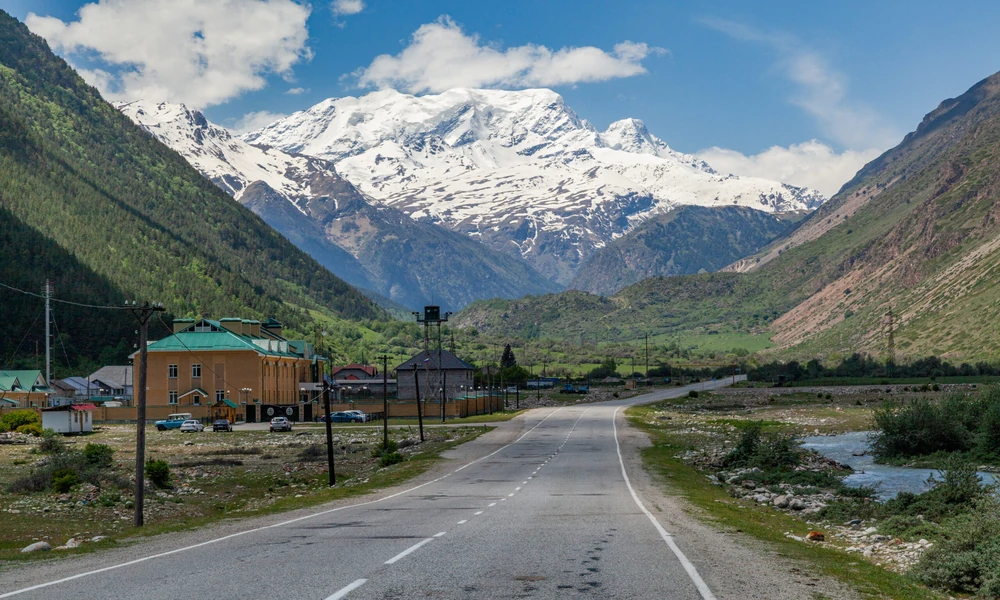
Granby, Fraser, Winter Park, Kremmling, Walden, Grand Lake. The elevation swing between those places alone explains why so many residents end up in a clinic waiting room. Skiing, snowboarding, trail running, and simple driveway shoveling all load the same joints in the same season.
According to the Centers for Disease Control and Prevention, musculoskeletal conditions remain among the leading causes of disability and lost work time in the United States. That is a national number, but the local version is easy to see on any Saturday in February.
The question nobody asks on the first call
Ask where the surgery happens. Not where the appointment happens, where the surgery happens.
Some rural clinics run a full surgical suite. Others handle evaluation and imaging, then send you elsewhere for the procedure itself. Both models can work well, and both change your calendar, your driving, and your recovery logistics. Knowing which one you are walking into saves you a miserable surprise three weeks later.
I would also ask who covers follow-up care when your surgeon is booked. A strong local program has a bench of providers, not one person who is impossible to reach in July.
What to bring to your first appointment
Show up prepared and you will get a sharper plan out of the visit. This is the practical part, and it matters more than people admit.
- A written timeline of when the pain started and what made it worse
- Your actual activity list, including the things you are not willing to give up
- All prior imaging on a disc or uploaded to the portal, not just the report
- A list of every medication and supplement you take
- One person who can drive you home if imaging or an injection happens that day
Be honest about the skiing. I have watched people describe themselves as “moderately active” when they are on the mountain five days a week. Your surgeon can only build a plan around the life you actually live. Say the real number.
Conservative care comes first, and that is good news
Most musculoskeletal problems do not start with a scalpel. They start with physical therapy, activity changes, and time. The National Institutes of Health notes that many common joint and soft tissue conditions respond to non-surgical treatment, which is why a clinic that pushes straight to the operating room should make you ask a second question.
A good practice will tell you when it does not know yet. A great one will hand you a therapy plan and a date to come back and reassess. Here is my honest take: if a surgeon offers to operate during your first appointment, before you have tried therapy, ask why. You are allowed to want a reason.
Surgery day, when it gets to that
If you do end up in the operating room, the preparation looks different in a small mountain town. You will want a ride, a recovery buddy for the first few nights, and a plan for stairs, because most homes around here have them.
Ask about the anesthesia options in advance. Ask what a normal recovery week looks like and what would count as a red flag worth calling about. Write the answers down. Nobody remembers anything the morning of a procedure.
Follow-up, rehab, and getting back out there
Recovery is where local care really earns its keep. Physical therapy close to home means you actually go. A forty minute drive to rehab each way is the fastest way to turn a twelve week program into an eight week one, and not in a good way.
Practical tip: schedule your first few therapy sessions before surgery day, while you have the energy and the calendar space. That single move eliminates the awkward week where you are cleared to start rehab but have nowhere to go.
How to judge a clinic before you trust it
You cannot read a surgeon’s hands over the phone, but you can read the practice around them. Look for a team directory with real names and credentials, a clear description of which locations perform surgery, and published scheduling information that does not require you to guess.
Finally, look at whether the clinic hires for the long haul. Employment in the broader health care field has been one of the steadiest growth areas in the country for years, according to the Bureau of Labor Statistics, and mountain communities feel that reality harder than cities do. A clinic with a stable team and a bench of providers can keep your follow-up on track when one person is out for a week.
That is the whole test, honestly. Can they get you in, can they explain the plan in plain English, and will they be there for the follow-up. Everything else is detail. Your joint is going to be with you for the rest of your life, in the snow, on the trail, and on the stairs at home. The right team is worth a couple of extra phone calls. So pick up the phone, ask where the surgery happens, and get on the schedule before the season starts.

Comments are closed.