
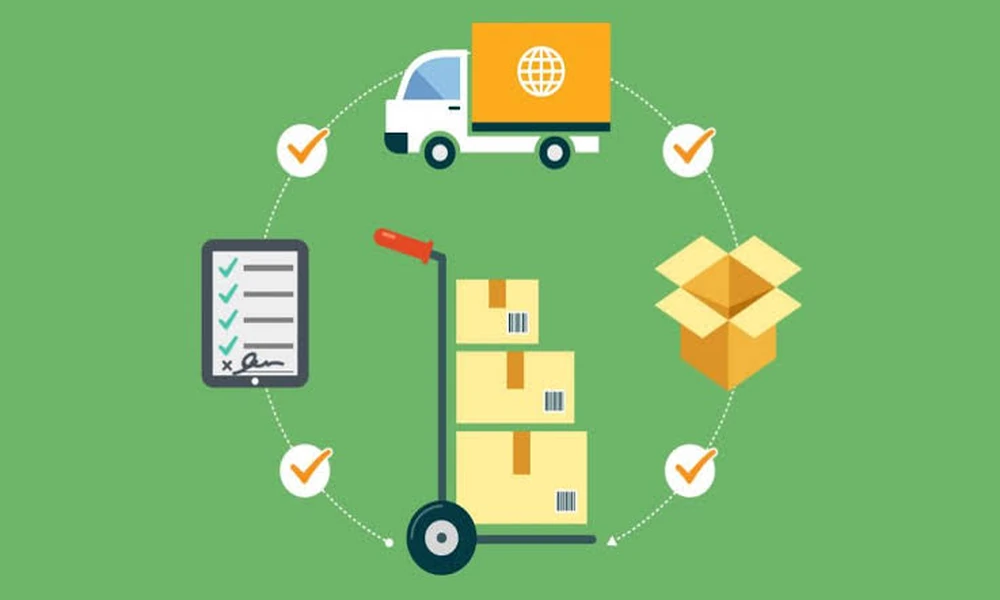
Somebody clicks “Place Order” and expect the package to get delivered without any hassle. All it takes is a click, but on the back end there are inventory-related tasks to complete, warehouse staff to account for, technology to support that system inbound, and outbound flows, packing tasks, and delivery partners needed.
Proper ecommerce order fulfillment process connects all these stages of the process. When each phase flows seamlessly, companies can accelerate the fulfillment cycle, reduce errors, and build a better experience for their customers.
It All Begins with an Order on the Website
The first stage is straightforward. This leads to delays, cancellation, and frustrated passengers.
The order system logs key facts, among them:
- Products purchased
- Quantity
- Customer address
- Payment status
- Shipping method
That data you collect then flows into the warehouse or fulfilment center.
Speed matters. The faster it reaches the fulfillment team, the sooner they can work on it.
Step 1: Check Inventory
The business has to check that the products are available before packing an order.
If your need a better way to keep track of stock for each warehouse, inventory software can do exactly that. When the stock records are accurate, it becomes easy for workers to know where the required things are stored.
Poor inventory management can lead to issues. A website can display an item as in stock, only for the warehouse to run out. This means late, plane delays along with cancellations and furious customers.
Step 2: Pick the Products
After the order is in their warehouse, workers, or robots find the needed items.
Such delays, cancellations and disgruntled passengers.
Once an order reaches the warehouse, workers (or robots) hunt for what is needed.
It is known as the picking stage.
Such items usually have dedicated storage areas depending on the design of a warehouse. A good picking system reduces unnecessary walking while keeping orders flowing.
Barcode scanners and warehouse software can help improved accuracy using automation if your business processes bulk orders.
Step 3: Pack with Purpose
After the products have been selected, they are taken to the packing station.
Packaging must ensure the items are protected, without generating excess waste. Including the appropriate box and protective materials, labels, and paperwork may be all necessary.
Also, correct packing reduces the possibility of damage during transport as well.
Step 4: Ship the Order
This entire package is then passed off to a dispatcher or delivery service.
Typically, a moment when tracking information gets generated. It is used by customers to trace their shipment and see when it will be delivered.
Which carrier you go with depends on the destination, the size of your package, speed, and cost.
Step 5: Delivery and Returns
The ecommerce order fulfillment process does not stop when the package gets to the customer.
Fulfillment also includes returns.
The customer receives a product that is not what they have ordered, finds it has been damaged, or just comes to the conclusion that it does not suit them. With a system that is effective and if returns are clear, the business can receive the item or product, check it out first if necessary, update stock levels in their systems, and provide an instant replacement under certain conditions or even perform a full refund.
From Orders to Great Customer Experiences
While customers may never see what happens in a warehouse, they do feel the effects. Trust can be eroded quickly by late deliveries, wrong products, or lots that become damaged.
Go about it the right way and a good ecommerce order fulfillment process will help ensure businesses ship customers what they ordered, when they want it, and in one piece. An effective fulfillment system is necessary for long-term ecommerce success as order volume increases.

Comments are closed.