
Lithium is sometimes nicknamed as “white gold” for its increasing significance in the clean energy and tech space. It is used to power electric cars, solar storage, laptops, and also phones. However, it has to be extracted from the ground first, an extensive and energy-consuming process before it will ever get into a battery. So, how is lithium mined? The answer isn’t one-size-fits-all. Each region follows a specific technique for extraction that best suits the available natural resources and the climate of the region.
Two Initial Sources for Lithium
In order for us to grasp how is lithium mined, we need to understand where it is located. There are two primary types of lithium:
- Underground brine deposits
- Hard-rock mineral deposits
Each has a unique mining method and environmental and operational issues.
Lithium Extraction from Brine − Nature Does 90% of the Job
Lithium extraction using brine is also commonplace where there are expansive salt flats − primarily South America. In this case, lithium resides in salty groundwater below the ground.
The Process:
The method relies on evaporation:
- Saltwater, buh-bye brine is pumped from subterranean reservoirs to the surface.
- The liquid is dispersed into broad, shallow evaporation ponds.
- It takes months for sunlight to evaporate all this water.
- Layers of minerals then precipitate out.
- Brine is harvested from salt flats, then extracted and processed into material suited for batteries.
Brine extraction is not as fast, but it is more manual, less machinery-intensive. Such evaporation is less energy intensive and especially water-dependent, with the sun and wind carrying out most of the work.
Extracting Lithium from Hard Rock: The Spodumene Digging
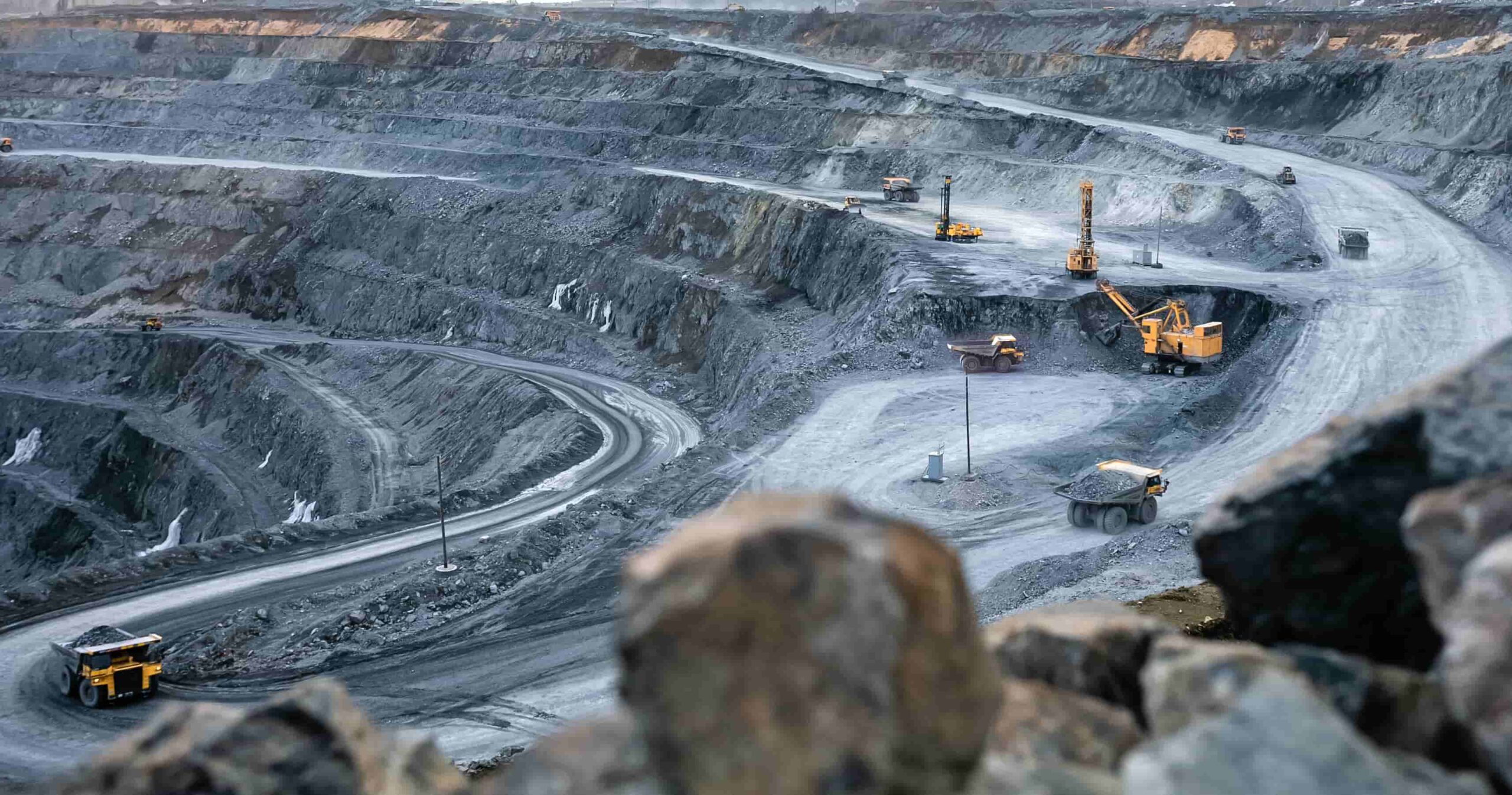
In Australia, Canada, and China the mineral spodumene is where the Lithium hides. Hard-rock mining − a more old-school, industrial method.
The Process
- This series of mechanical and chemical steps:
- Spodumene ore is mined from open-pit mines.
- The ore is broken up into smaller pieces.
- It is then fired in a kiln, changing its crystal structure.
- This separation is achieved through chemical treatments which isolate lithium from other minerals.
- The lithium concentrate is the final product.
While hard-rock extraction is quicker than brine evaporation, this method is more energy-intensive and produces much more waste rock.
An Evolving New Process: Direct Lithium Extraction
Blockchain miners are looking for cleaner, quicker solutions − as demand rises. One of the more recent advancements is Direct Lithium Extraction (DLE). It bypasses evaporation ponds using such technology as advanced filters or absorbent material to extract lithium from brine.
DLE can be:
- Faster
- Less land-intensive
- Potentially lower in water use
Still in development, it could change how lithium mining takes place down the road.
Environmental Impact Matters
Lithium is crucial to green technology, but its extraction is not without impact. Each extraction method carries challenges:
- Extraction of brine could utilize local water reserves.
- Land disruption and high energy consumptions − part of the cost of hard-rock mining.
- You can create waste due to chemical processing if not handled properly.
Hence the increasing emphasis on recycling lithium batteries. As we recycle better and better, we do not stress the environment.
Final Thoughts
So, how is lithium mined? Using brine evaporation, hard-rock extraction or new direct-extraction technologies. All those processes serve to provide an essential mineral for the world that use for modern clean energy. With growing demand, mining methods are going to adapt, and it will weigh with efficiency and environmental benefit.

Comments are closed.