
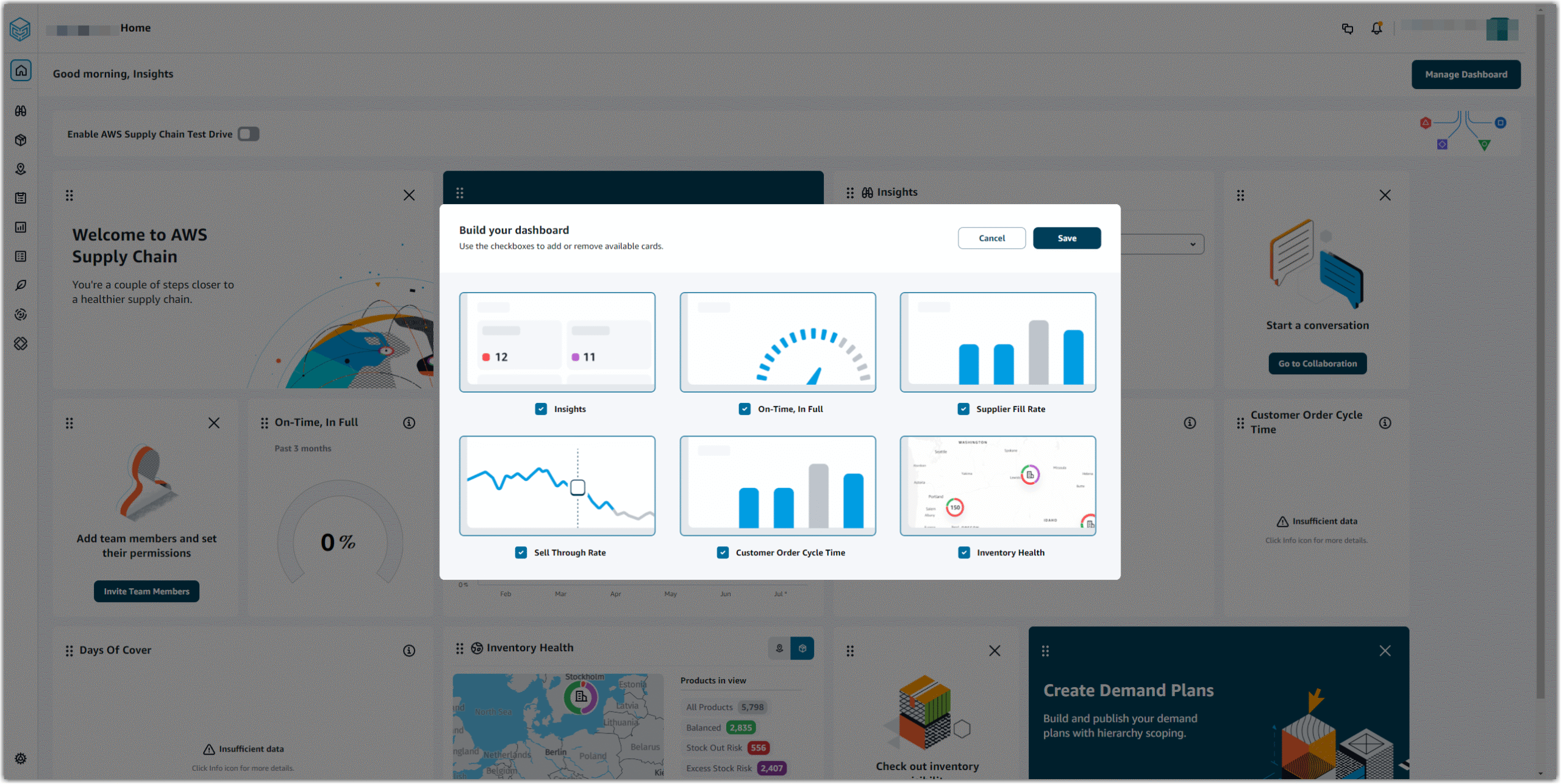
Organizations seek clear visibility to guide smarter operational choices and stronger coordination across partners. Interactive dashboards turn complex figures into simple visuals that guide managers toward quick action and steady progress. With focused metrics and live recording, teams gain clearness, increase planning correctness, and build trust across departments for sustained performance-encouraging leaders to confidently call now for expert guidance and accelerate measurable results.
Clear Metric Alignment Focus
Clear goals help leaders connect daily activity with strategic targets. Control panels gather data from procurement, storage and distribution to present one trusted view. Clean data definitions reduce confusion across teams and build shared accountability. When metrics stay consistent, managers can respond faster and protect margins without guesswork.
Predictive Analysis For Planning
Forecast models use historical data to estimate demand patterns and resource needs. Advanced data grouping uncovers trends that manual review might miss. Planners can adjust purchasing levels based on scenario testing results. This forward view reduces stock gaps while keeping cash flow stable.
Collaborative Decision Support Systems
Shared dashboards encourage open dialogue between finance operations and leadership. Integrated data pools ensure every department reviews the same numbers. Reliable data governance rules strengthen trust during high-pressure meetings. For tailored guidance on unified reporting strategies, call now to connect with specialists.
Action Driven Improvement Framework
Structured review cycles convert observations into measurable progress. Teams compare outcomes against targets, then adjust workflows to close gaps. Clear ownership keeps initiatives moving without delay. Regular evaluation builds accountability while encouraging steady refinement across departments.
- Define ownership roles for each improvement initiative clearly across functional teams
- Review outcome metrics after every reporting cycle promptly to ensure alignment with goals
- Encourage staff feedback to uncover process bottlenecks early during routine evaluations
- Allocate resources based on verified performance evidence from quarterly assessment reports
- Track corrective actions until desired results are achieved within planned timelines
Effective oversight requires structured measurement, consistent review, and united leadership commitment. When leaders adopt visual reporting systems, they replace scattered spreadsheets with unified direction. Predictive models strengthen preparation while shared reviews align financial and operational priorities.
FAQ
Why use visual reporting tools for operations oversight in large organizations
They simplify complex metrics and support faster, informed decisions across departments.
What benefits come from predictive planning systems today for resource allocation
They reduce uncertainty and guide smarter inventory control choices during peak demand.
How can teams improve accountability through shared dashboards across multiple departments?
Clear ownership structures create transparency and consistent follow-through on action plans.

Comments are closed.